
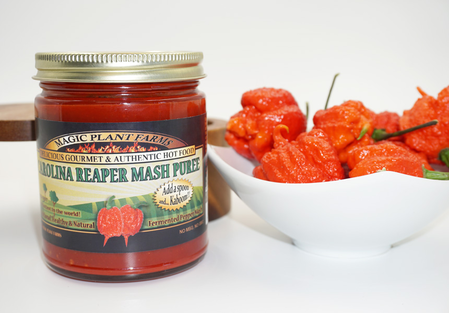
For hot sauce manufacturers, consistency is everything. Customers expect the same heat, flavor, texture, and quality every time they open a bottle. Achieving that level of consistency becomes much easier when working with fermented pepper ingredients rather than relying solely on fresh peppers.
One ingredient has become a favorite among premium sauce makers: Carolina Reaper pepper mash. Produced through a controlled fermentation process, this ingredient combines the legendary intensity of Carolina Reaper peppers with a deeper, more developed flavor that cannot be achieved using fresh peppers alone.
Whether you produce craft condiments in small batches or manufacture commercial products at scale, understanding how pepper mash works can improve formulation, production efficiency, and product consistency. Beyond hot sauce, this versatile ingredient also finds its way into marinades, barbecue sauces, spicy condiments, and countless recipe innovations.
In this guide, we’ll look at how Carolina Reaper pepper mash is produced, why fermentation transforms both heat and flavor, and how professional food manufacturers use it to create unforgettable products.
Also Read: What Makes Carolina Reaper Essential for Crafting Bold Hot Sauces This Season
What Is Carolina Reaper Pepper Mash?
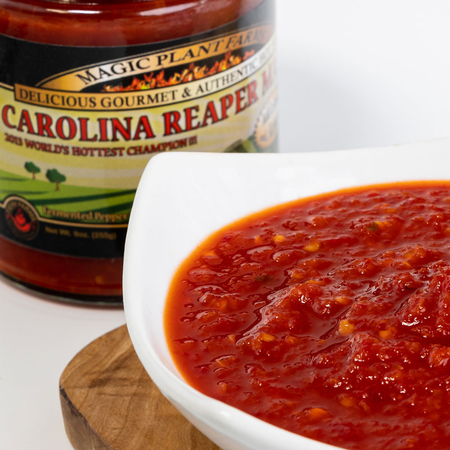
Carolina Reaper pepper mash is created by grinding ripe Carolina Reaper peppers into a coarse mixture before combining them with salt to begin a carefully managed fermentation process. Rather than working with whole peppers, manufacturers produce a thick mash that allows beneficial microorganisms to interact evenly throughout the mixture.
Unlike chopped fresh peppers that begin deteriorating shortly after harvest, fermented pepper mash develops complexity over time while naturally preserving the ingredient. The resulting mash delivers consistent heat, balanced acidity, and remarkable depth of flavor.
Professional producers favor this approach because every production batch begins with a standardized ingredient rather than raw peppers that may vary in moisture, maturity, or flavor. The mash also becomes much easier to incorporate into large-scale food production because it blends evenly into finished formulations without requiring extensive preparation.
How Does the Fermentation Process Work?

The fermentation process is based on naturally occurring lactic acid bacteria that convert sugars inside the peppers into lactic acid. During this transformation, the mash develops its signature tang while becoming naturally preserved.
Production typically begins by placing coarsely chopped Carolina Reaper peppers into a large mixing vessel with a carefully measured salt brine. The salt suppresses unwanted microorganisms while allowing beneficial bacteria to flourish.
Commercial manufacturers carefully maintain an anaerobic environment throughout fermentation. This oxygen-free setting encourages healthy microbial activity while minimizing mold growth and other spoilage concerns.
As fermentation progresses, carbon dioxide is naturally produced, signaling active microbial development. Depending on production goals, the mash may ferment for two to three weeks or significantly longer to achieve additional flavor complexity.
Throughout fermentation, operators monitor the liquid level to ensure there is always enough liquid covering the mash. This helps maintain stability while protecting product quality. When managed correctly, fermentation transforms extremely hot peppers into a far more balanced ingredient without reducing their remarkable heat level.
Why Fermentation Improves Flavor
Heat alone does not create memorable sauces. Professional formulators understand that customers return because of flavor first, with heat serving as an exciting complement. Fresh Carolina Reaper peppers deliver explosive intensity, but fermentation dramatically expands the pepper’s flavor. The sharp vegetal notes soften while fruity characteristics become more pronounced.
The result is an ingredient that contributes:
- Richer pepper character
- Greater depth
- Balanced acidity
- Improved aroma
- Longer flavor development
- Better overall taste
Instead of overwhelming every ingredient in a commercial or homemade hot sauce, fermented peppers provide a smoother profile that allows garlic, spices, herbs, vinegar, and other ingredients to work together harmoniously. This is one reason many premium fermented hot sauce products achieve greater complexity than sauces made solely with fresh peppers.
Also Read: Ghost Pepper vs. Carolina Reaper: Which Superhot Pepper Packs the Right Punch for Your Product Line?
Why Commercial Hot Sauce Manufacturers Prefer Pepper Mash
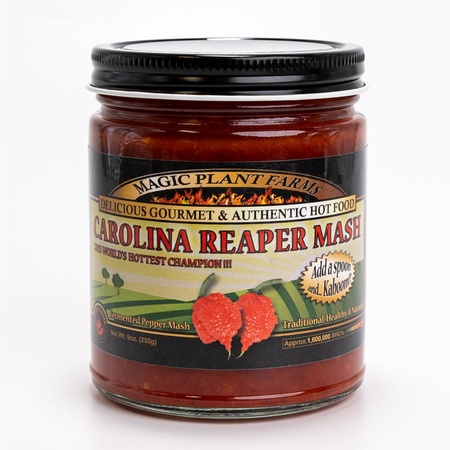
Large-scale production demands predictability. Working with fresh peppers introduces natural variation in moisture, seed content, maturity, and heat. Those differences can create formulation challenges from one production run to another. Pepper mash helps eliminate much of that variability.
Manufacturers appreciate several operational advantages:
- Consistent flavor across production batches
- Uniform heat distribution
- Reduced preparation time
- Simplified scaling for larger production runs
- Better blending characteristics
- Longer refrigerated shelf stability before processing
The mash can be pumped, measured, and incorporated directly into production equipment, making it considerably more efficient than processing whole peppers during every manufacturing cycle.
Fresh Peppers vs. Fermented Pepper Mash
Fresh ingredients certainly have their place, but fermented mash offers several important advantages for commercial food production. Fresh peppers provide bright, vibrant characteristics that work well in certain products. However, they require washing, trimming, removing seeds when necessary, chopping, and immediate use.
Fermented mash arrives ready for production. Because fermentation has already stabilized the ingredient, manufacturers gain greater flexibility during scheduling while maintaining consistent product quality. Many processors find that mash also creates a smoother finished sauce because the ingredients have already undergone controlled microbial development before blending.
Beyond Hot Sauce: Other Culinary Applications
Although hot sauce (such as roasted garlic hot sauce or sambal oelek sauce) remains the primary application, Carolina Reaper pepper mash serves many other purposes throughout the food industry. Chefs and product developers incorporate small amounts into barbecue sauce using the same process for additional depth and lingering heat.
It also performs exceptionally well in:
- Marinades for grilled meats
- Sandwich spreads
- Spicy mayonnaise
- Condiments
- Stir fries
- Chili beans
- Gourmet burger toppings
- Specialty dips
- Fiery ferments
- Compound butters
Product developers may even blend it with Habanero varieties, Ghost peppers, or Scotch bonnets to create signature flavor combinations with customized heat profiles, including hot chilis with intense heat.
Also Read: Dried Carolina Reaper: How to Harness the World’s Hottest Pepper for Maximum Flavor and Heat
Building a Signature Sauce Formula
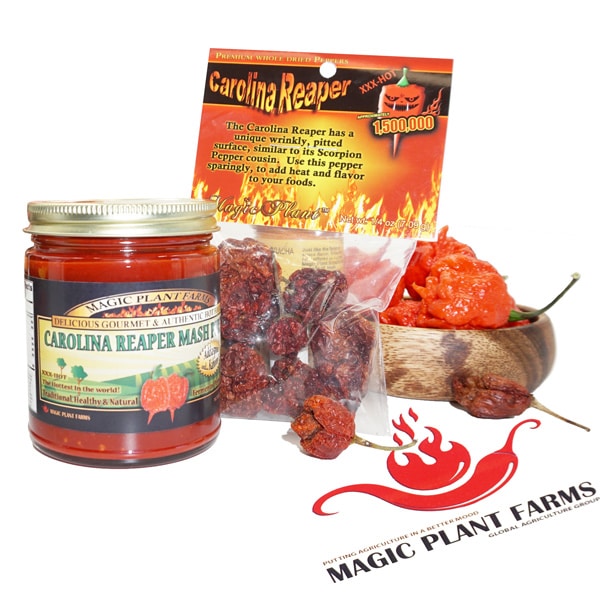
Every successful sauce begins with balance. While Carolina Reaper mash delivers exceptional intensity, supporting ingredients shape the final experience. Many developers combine the mash with:
- Apple cider vinegar
- Fresh garlic
- Lemon juice
- Honey
- Onions
- Additional spices
- Other ingredients selected for specific flavor goals
Some manufacturers include Xanthan gum to improve texture and maintain ingredient suspension within the finished bottle. Finding the sweet spot requires repeated formulation trials. Even a small amount of mash can dramatically influence the finished product, so careful adjustments are essential. The goal is not simply producing a hotter sauce. It’s creating a delicious sauce that consumers genuinely enjoy using.
Safe Handling Practices
Because Carolina Reaper remains one of the world’s hottest pepper varieties, safe handling procedures should never be overlooked. Whether working in a commercial kitchen or testing formulations at home, gloves, eye protection, and proper ventilation help minimize accidental exposure.
Direct contact may produce a significant burning sensation on the skin or eyes. Avoid touching the face while handling the mash, and thoroughly sanitize all preparation equipment after use. Working carefully allows formulators to focus on developing outstanding products while maintaining a safe production environment.
Storage and Quality Considerations
Proper storage protects both flavor and food safety. After fermentation, mash should remain refrigerated until needed for production. Containers should stay tightly sealed to minimize contamination and maintain product integrity.
Operators should periodically inspect the surface for Kahm yeast or any signs of mold growth. While Kahm yeast is generally harmless, excessive development may indicate storage conditions need adjustment. Maintaining proper temperature and sanitation helps preserve both flavor and consistency throughout storage.
Commercial suppliers also provide net weight documentation and batch traceability to support production planning and regulatory compliance.
Choosing High-Quality Carolina Reaper Mash
Not all mash using fermented vegetables is produced to the same standard. Food manufacturers should evaluate suppliers based on several critical factors:
- Consistent fermentation practices
- Reliable pepper sourcing
- Controlled salt levels
- Uniform texture
- Stable flavor profile
- Professional food safety systems
- Dependable year-round availability
These qualities directly influence the consistency of finished sauces and long-term production reliability.
Also Read: How to Store Dried Chilis for Maximum Flavor, Heat, and Shelf Life
Bring Premium Carolina Reaper Ingredients to Your Production Line with Magic Plant Farms
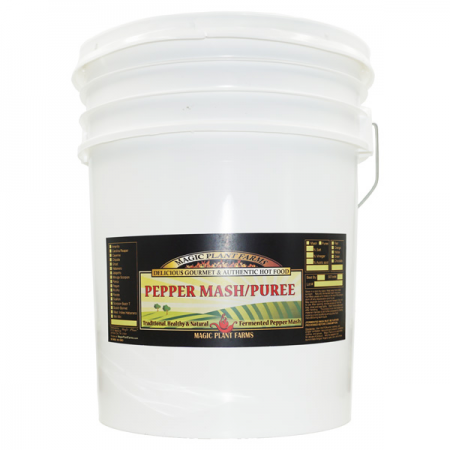
Creating exceptional hot sauces and spicy food products starts with sourcing ingredients you can trust. At Magic Plant Farms, we combine premium Carolina Reaper products with dependable supply, rigorous quality control, and commercial-scale production capabilities to help manufacturers produce consistent, high-quality products while supporting long-term business growth.
- Complete Control From Seed to Finished Ingredient: We oversee every stage of production to deliver Carolina Reaper ingredients with reliable flavor, heat, consistency, and quality in every shipment.
- Global Growing Network: Through our network of contract growers across Asia, Africa, South America, and the Middle East, spanning more than 1,000 acres, we provide dependable year-round supply while minimizing the impact of seasonal shortages.
- Extensive Product Portfolio: In addition to Carolina Reaper pepper mash, we offer premium powders, flakes, puree, fermented pepper mash, whole peppers, peppers in brine, and specialty ingredients representing more than 40 pepper varieties.
- Commercial-Grade Quality Standards: Every ingredient is sorted and inspected in the United States, and our GMP, SQF, and HACCP-certified operations undergo independent third-party audits to help ensure consistent product quality and food safety.
- Customized Solutions for Your Business: We offer Organic and Kosher certified options, along with customized crop treatment programs designed to meet your unique production and formulation requirements.
- Reliable Supply Planning: Our forecasting and inventory planning programs help stabilize purchasing costs, reduce supply disruptions, and ensure essential ingredients are available when your production schedule demands them.
- A Partner Focused on Your Success: From custom contract growing and responsive customer support to competitive price matching and scalable supply capabilities, we provide the expertise and reliability manufacturers need to grow with confidence.
Whether you produce artisan sauces or commercial-scale food products, our team is ready to help you source dependable Carolina Reaper ingredients that deliver exceptional flavor, reliable heat, and consistent performance in every batch. To place your bulk orders, call us at 1-877-801-9733 or contact us online.
Frequently Asked Questions
What is Carolina Reaper mash used for in hot sauce production?
Carolina Reaper mash is commonly used as a base ingredient in hot sauces, spicy condiments, marinades, barbecue sauces, and specialty food products. Its fermented flavor profile helps manufacturers create sauces with intense heat, balanced acidity, and deeper pepper character while improving consistency between production batches.
How is Carolina Reaper mash different from fresh Carolina Reaper peppers?
Carolina Reaper mash has already undergone a controlled fermentation process, which helps develop a more complex flavor profile and creates a more uniform ingredient for production. Fresh peppers can vary in moisture, maturity, and heat levels, while mash provides manufacturers with a ready-to-use ingredient that simplifies large-scale formulation.
How long does Carolina Reaper mash typically ferment?
The fermentation time depends on the desired flavor profile and production requirements. Many pepper mashes ferment for several weeks, allowing beneficial bacteria to develop acidity and enhance the complexity of the ingredient before it is used in finished products.
How should Carolina Reaper mash be stored?
Carolina Reaper mash should be stored according to supplier recommendations, typically in sealed containers under appropriate refrigerated conditions. Proper storage helps maintain flavor quality, consistency, and product integrity until it is ready for processing.
What ingredients pair well with Carolina Reaper mash in hot sauce recipes?
Carolina Reaper mash is often blended with ingredients such as vinegar, garlic, onions, citrus, honey, and spices to create a balanced sauce. Because of its intense heat, manufacturers typically combine it with complementary flavors that enhance the pepper’s fruity and complex characteristics.