
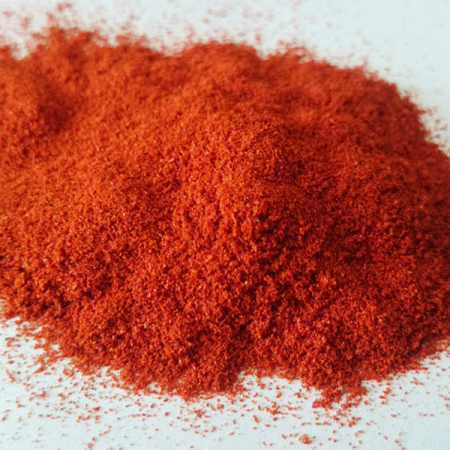
Hot pepper powders are incredibly convenient. A spoonful can bring heat, color, aroma, and character to a sauce, rub, curry, marinade, or seasoning blend without the preparation required by fresh peppers. But that convenience comes with one important consideration: once peppers are dried and ground, their quality becomes more exposed to the surrounding environment.
Light, oxygen, moisture, humidity, and heat can gradually change a powder’s sensory characteristics. The color may become duller, the aroma may become less pronounced, and the flavor can lose some of its original brightness. The heat may remain noticeable even when other qualities have declined, which is why a faded powder is not automatically a powerless one.
The good news is that proper storage does not require complicated equipment. A few disciplined habits can make a substantial difference. Whether you keep a small jar of Cayenne Pepper powder in your home kitchen or manage larger quantities of commercial pepper powders, the basic principle is the same: protect the ingredient from moisture, light, oxygen, and excessive temperature.
Also Read: Buy Bulk Ghost Pepper Powder: Essential Tips for Hot Sauce Manufacturers
Why Hot Pepper Powders Lose Quality Over Time
Drying removes much of the water from chili peppers, creating an ingredient that is considerably more stable than fresh produce. Grinding, however, changes the equation. A whole dried pepper has relatively little surface area exposed to the air. Once it becomes a fine powder, dramatically more of the ingredient is exposed to oxygen and environmental conditions.
That exposure can gradually affect volatile aromatic compounds, natural pigments, and other components responsible for the pepper’s sensory character.
Light Can Dull Natural Color
The bright appearance associated with many pepper powders comes from natural pigments. Prolonged exposure to light can gradually degrade these compounds, causing a vibrant red powder to become darker or less visually appealing. This doesn’t necessarily mean the powder has lost all of its heat. A Trinidad Scorpion pepper powder, for example, can still deliver substantial heat even after its color has changed.
Moisture Is a Bigger Threat Than Many People Realize
Humidity is one of the most important factors to control. Powder readily absorbs moisture from the surrounding environment, particularly when a container is repeatedly opened in a humid kitchen. Once moisture enters the package, the powder can clump, lose its free-flowing texture, and become more vulnerable to quality deterioration. In commercial settings, moisture can also interfere with accurate dosing and automated handling.
Oxygen Gradually Changes Aroma and Flavor
Every time a container is opened, fresh air enters. Over repeated exposure, oxygen can contribute to oxidation of compounds responsible for flavor and aroma. This is one reason a pepper powder that once smelled fruity, smoky, or earthy may eventually seem less expressive. The ingredient may still provide heat, but its broader flavor spectrum can become less pronounced.
Heat Accelerates Quality Loss
Storing pepper powders beside an oven, cooktop, or other heat source is a common mistake. Temperature fluctuations and prolonged warmth can accelerate changes in the ingredient. A cool cabinet away from cooking equipment is generally a much better location than a shelf directly above the stove.
Five Storage Habits That Protect Pepper Powder
The most effective storage strategy is surprisingly simple. You do not need to create a laboratory environment in your pantry. You need to consistently reduce the powder’s exposure to the conditions that degrade quality.
1. Use an Airtight Container
Once opened, keep pepper powders in a properly sealed container. An airtight food-grade container limits contact with humid air and helps protect the ingredient from external odors. For larger quantities, keeping the original package tightly closed between uses is important. If you transfer the powder, use a clean, dry container with a secure seal.
2. Keep Powder in a Cool, Dark Location
A dark pantry or cabinet is generally preferable to an exposed countertop. Keeping powders away from direct sunlight helps preserve their natural color and sensory qualities. Temperature matters, too. Choose a location with relatively stable conditions rather than somewhere exposed to repeated heating and cooling.
3. Keep Steam and Humidity Away
Do not open a container directly beside a steaming pot, kettle, dishwasher, or sink. It takes only a moment for humid air to enter a package. A particularly useful kitchen habit is to remove the amount you need with a dry measuring spoon before returning the container to storage. This limits unnecessary exposure.
4. Portion Large Quantities
If you purchase pepper powders in bulk, repeatedly opening one large container can expose the entire stock to air and humidity. Portioning the ingredient into smaller sealed containers can reduce that exposure. The main supply remains closed while the working quantity is used in day-to-day cooking or production.
5. Store Powders Away From the Stove
Convenience should not determine storage location. Keeping a container next to the stove may make it easy to grab, but heat and steam make that location less suitable for long-term preservation. A nearby cool cabinet is a much better compromise.
Does Faded Powder Still Have Heat?
This is a useful question because appearance can be misleading. A pepper powder’s color, aroma, flavor, and heat do not necessarily decline at exactly the same rate. Natural pigments may change while capsaicinoids responsible for the sensation of heat remain present. That means a powder that has become less bright can still be spicy.
Heat Is Only One Part of Quality
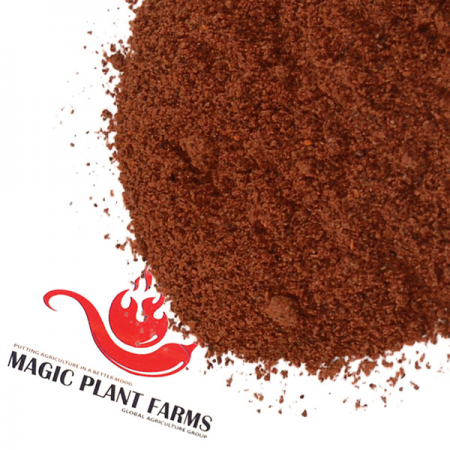
When evaluating a powder, do not judge it solely by how much fire it produces. A high-quality ingredient contributes more than just heat. Depending on the variety, it can bring fruity, sweet, earthy, smoky, or vegetal notes to food.
For example, Ghost Pepper powder can provide substantial intensity alongside the characteristic complexity of the pepper. Cayenne Pepper powder may be selected when a recipe needs direct heat with a familiar pepper character. Trinidad Scorpion Pepper powder and Carolina Reaper products occupy a much more intense part of the heat spectrum.
This distinction matters for professional formulation. A powder that delivers just heat but lacks desirable aroma or flavor may not produce the same finished product as a fresher, properly stored ingredient.
How to Perform a Simple Freshness Check
You do not need specialized laboratory equipment to conduct a basic sensory review of pepper powders. A simple evaluation can tell you whether an ingredient is still performing as expected.
Start With Aroma
Open the container and smell a small amount. The aroma should provide clues about the pepper’s character. Depending on the variety, you might notice fruity, earthy, smoky, vegetal, or sweet notes. A dramatic loss of aroma may indicate that the ingredient has spent too much time exposed to air or unfavorable storage conditions.
Examine the Color
Look for unexpected fading, darkening, discoloration, or signs of moisture exposure. Color naturally varies between different varieties, so the most useful comparison is against the powder’s original appearance. A change in color alone does not establish that the powder is unsafe or devoid of heat.
Test a Small Amount Carefully
If appropriate for the product and your normal food-handling practices, a very small pinch can be assessed in food rather than tasting concentrated powder directly. Start with a conservative amount, particularly when dealing with high-SHU (Scoville Heat Units) peppers. The objective is to evaluate whether the expected heat and flavor remain present, not to challenge your palate.
Common Storage Mistakes That Shorten Powder Quality
Even good red pepper powders or chili powder can deteriorate faster when storage practices are careless. Some mistakes are surprisingly easy to make.
- Leaving the Container Open: An open container allows moisture and oxygen to enter continuously. Close the package promptly after measuring.
- Using a Wet Spoon: A damp utensil can introduce moisture directly into the chile powder or Sonoran spice. Always use clean, completely dry dishes.
- Keeping Powder Above Cooking Equipment: Steam and heat can repeatedly affect a container stored above a stove or near an oven. Choose a cooler location instead.
- Buying More than Your Requirement: The right purchase quantity depends on consumption, storage conditions, production requirements, and availability.
- Treating All Varieties the Same: Different varieties have different sensory profiles and heat levels. A mild powder and an extremely hot powder may both be dried ingredients, but their intended applications can be very different.
Awareness about the characteristics of different varieties helps you choose pure ingredients that actually suit your recipes.
Does the Pepper Variety Affect Storage Expectations?
The underlying storage principles apply across the spectrum, but different peppers can have very different sensory characteristics. Cayenne Pepper powder, Habanero powder, Ghost Pepper powder, and Trinidad Scorpion Pepper powder may each contribute a different balance of heat and flavor. Some varieties are prized for fruity notes, while others are valued for earthy or smoky characteristics.
The source material matters, too. Properly harvested, dried, processed, packaged, and stored peppers provide a stronger foundation for quality than ingredients that have already experienced poor handling before they reach the customer. For commercial buyers, this makes supplier selection an important part of shelf-life management.
Why Processing Quality Matters Before Storage
Good storage cannot completely compensate for poor raw-material handling. Shelf-life performance begins long before a pepper powder reaches your pantry, production room, or warehouse.
Start With Quality Dried Peppers
Properly dried peppers should have controlled moisture levels appropriate for their intended use. Inadequate drying can create quality problems before grinding even begins. Once the peppers are processed into powder, consistent particle size also matters. A fine powder has a large surface area, so packaging and environmental controls become particularly important.
Protect the Ingredient During Processing
Grinding, packing, transporting, and storing all create opportunities for moisture, heat, and oxygen exposure. Professional processors need procedures that minimize these risks from production through distribution. For manufacturers using spices as formulation ingredients, this can have a direct impact on batch consistency, product development, and customer satisfaction.
What About Commercial Storage of Pepper Powders?
Restaurants and food manufacturers have additional considerations because they may purchase pepper powders in larger quantities and open the same stock repeatedly during production. A commercial operation should establish designated dry-storage areas, maintain appropriate environmental conditions, and use clear lot identification and inventory rotation procedures.
Control the Working Environment
A production room with high humidity can be challenging for fine powder handling. Containers should remain closed whenever ingredients are not actively being measured or added to a formulation.
Protect Bulk Stock
Large containers should remain sealed until the ingredient is required. Where practical, smaller working quantities can help limit repeated exposure of the main stock.
Monitor Ingredient Condition
Quality teams can incorporate sensory checks into routine receiving and inventory procedures. Changes in aroma, appearance, flowability, or performance can provide useful signals that storage conditions need attention.
Why Supplier Quality and Packaging Belong in the Same Conversation
When businesses purchase pepper powders, shelf life is not solely a warehouse issue. It is a supply-chain issue. The journey from cultivated pepper to finished powder involves harvesting, drying, processing, inspection, packaging, transportation, storage, and eventual use. Every stage can influence the final ingredient.
That’s why manufacturers should look beyond a regular price when evaluating pepper suppliers. Quality systems, processing capabilities, product consistency, availability, and packaging practices can all influence the actual value of an ingredient. A reliable supplier gives buyers a stronger starting point. Good storage then helps preserve that quality after the product reaches its destination.
Bring Quality Pepper Ingredients to Your Kitchen or Production Line With Magic Plant Farms
At Magic Plant Farms, we understand that maintaining pepper quality starts long before a powder reaches your facility. Our approach is built around controlling our products from seed to customer, helping commercial buyers source pepper ingredients with greater consistency and confidence.
We work with a broad collection of pepper varieties and formats, giving customers options for different culinary and manufacturing applications. From chili pepper powder and other fine powder formats to dried peppers and specialty ingredients, our product range is designed to support businesses looking for reliable pepper ingredients.
Why Work With Magic Plant Farms:
- Quality From Seed to Customer: We maintain oversight across the supply chain, helping protect the quality and consistency of our pepper ingredients from cultivation through delivery.
- Extensive Pepper Selection: Our collection includes a broad range of varieties for businesses developing everything from mild seasonings to products built around serious heat.
- Commercial Supply Capabilities: We support customers who need dependable ingredient availability for ongoing production rather than a single purchase.
- U.S. Inspection and Quality Control: Pepper ingredients are sorted and inspected in the USA, adding another important layer of quality assurance before products reach customers.
- Multiple Ingredient Formats: We provide dried pepper products in formats suited to different applications, helping food manufacturers and culinary professionals select ingredients according to their formulation requirements.
- Support for Product Development: Whether you are creating spicy foods, developing a sauce, building a seasoning blend, or exploring new pepper varieties, our range gives you room to create and experiment.
If you’re ready to explore premium pepper ingredients for your kitchen, manufacturing facility, or product line, visit the Magic Plant Farms website to discover our collection, review available products, and find the ingredients that fit your needs. The right pepper is only the beginning. Proper processing, careful storage, and a dependable supply partner can help you preserve its flavor, aroma, color, and heat from purchase through final use. To place your bulk orders, call us at 1-877-801-9733 or contact us online.
Frequently Asked Questions
Does Hot Pepper Powder Expire?
Hot pepper powder can lose quality over time, particularly in aroma, color, flavor, and overall freshness. That does not mean it suddenly becomes unusable on a particular date. Storage conditions matter considerably. Keep the powder dry, sealed, cool, and protected from light. Always evaluate its appearance, aroma, and performance before using an older product.
Why Has My Pepper Powder Lost Its Bright Color?
Light, oxygen, heat, and age can contribute to changes in the natural pigments responsible for a pepper powder’s color. A faded appearance does not automatically mean the powder has lost all of its heat. However, a major change in color accompanied by unusual odors, moisture, or visible contamination is a reason to discontinue use.
Should I Refrigerate Hot Pepper Powders?
Refrigeration is not automatically necessary for dry pepper powders. A cool, dry, dark pantry with stable conditions is generally more practical. Introducing a cold container into a humid environment can also create condensation when it is opened. For most dry powders, controlling humidity and keeping the container tightly sealed are more important than simply lowering the temperature.
Why Does My Powder Keep Clumping?
Clumping usually indicates that moisture has entered the powder. This can happen when a container is stored in a humid location, opened near steam, or handled with a damp utensil. Keep pepper powders in an airtight container, use completely dry measuring tools, and store them away from sinks, cooking steam, and other sources of humidity.
Can Pepper Powder Lose Flavor Before It Loses Heat?
Yes. Heat perception and aromatic character do not necessarily decline at the same rate. A powder may still provide noticeable heat while losing some of its fruity, smoky, earthy, or sweet characteristics. That’s why evaluating the complete sensory profile is more useful than judging an ingredient solely by its heat level.