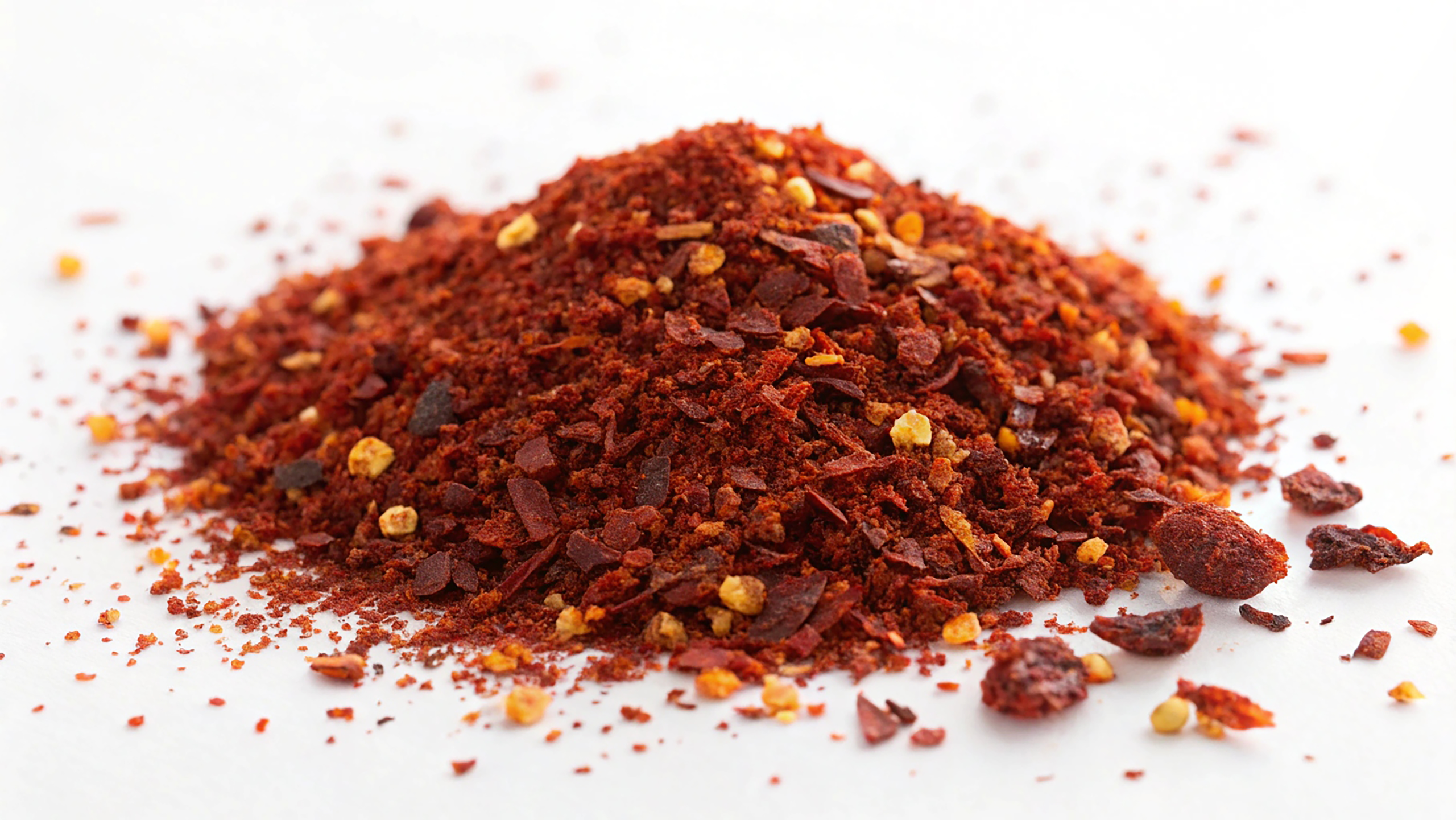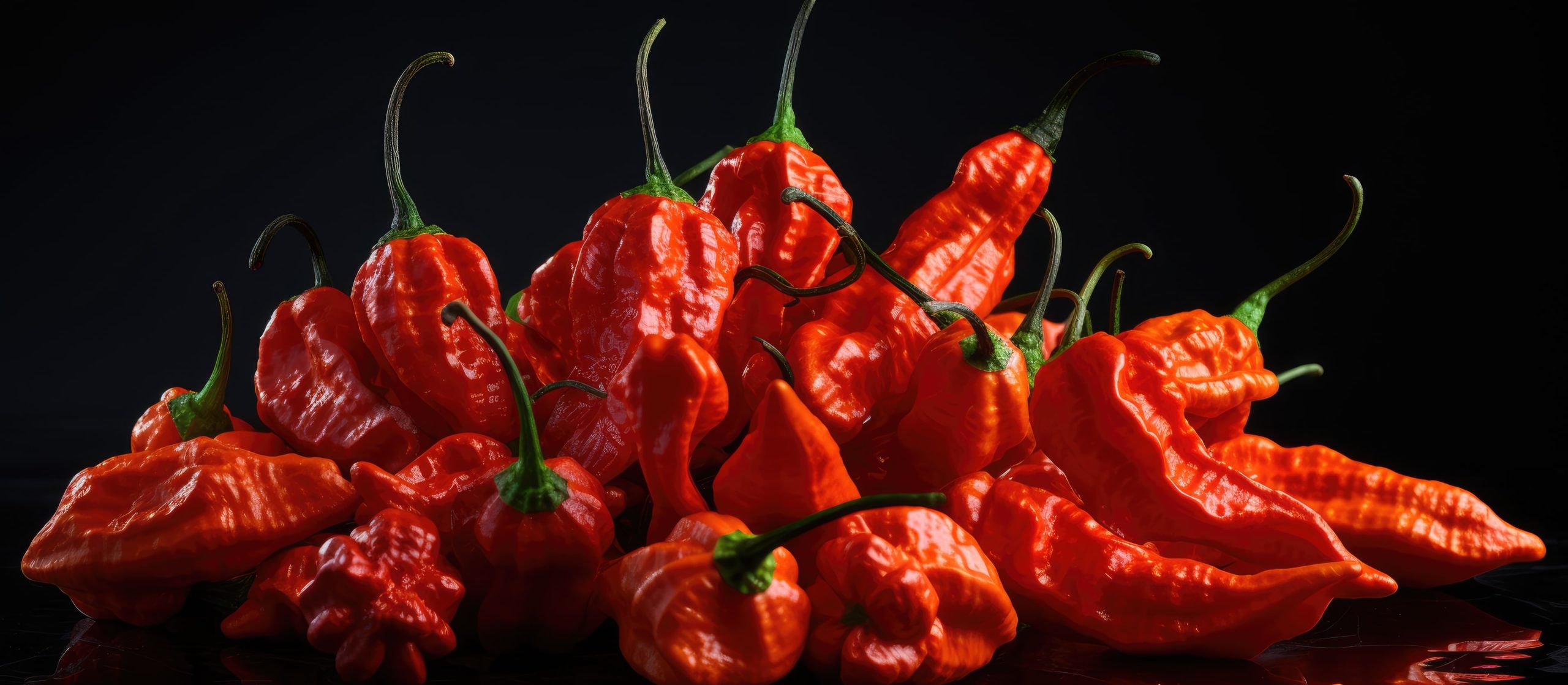
Creating your own hot sauce can feel a little like crafting a personal story in a bottle. Every ingredient, every aroma, and every spark of heat adds to a larger narrative of flavor that’s shaped by your decisions in the kitchen. For both home cooks and small-batch producers, few ingredients influence that story more powerfully than fermented pepper mash. This deep, richly developed ingredient brings body, complexity, and a level of layered heat you simply cannot get from fresh blends.
In this guide, we’ll explore how to use pepper mash to create a signature sauce you can truly call your own. You’ll learn what it is, why the fermentation process matters, and how it transforms basic peppers into bold flavor foundations that are cherished throughout the culinary world. Along the way, we’ll break down ingredients, step-by-step techniques, and tips used by professionals, including sourcing guidance from Magic Plant Farms, one of the leading suppliers of premium mash in different global varieties.
Whether you’re new to making hot sauce or you already have experience experimenting with your own hot sauce blends, this deep dive will help you understand how to create something special, something that stands apart from typical homemade hot sauce recipes and mass-market brands.
👉Also Read: Buy Bulk Ghost Pepper Powder: Essential Tips for Hot Sauce Manufacturers
What Is Fermented Pepper Mash?
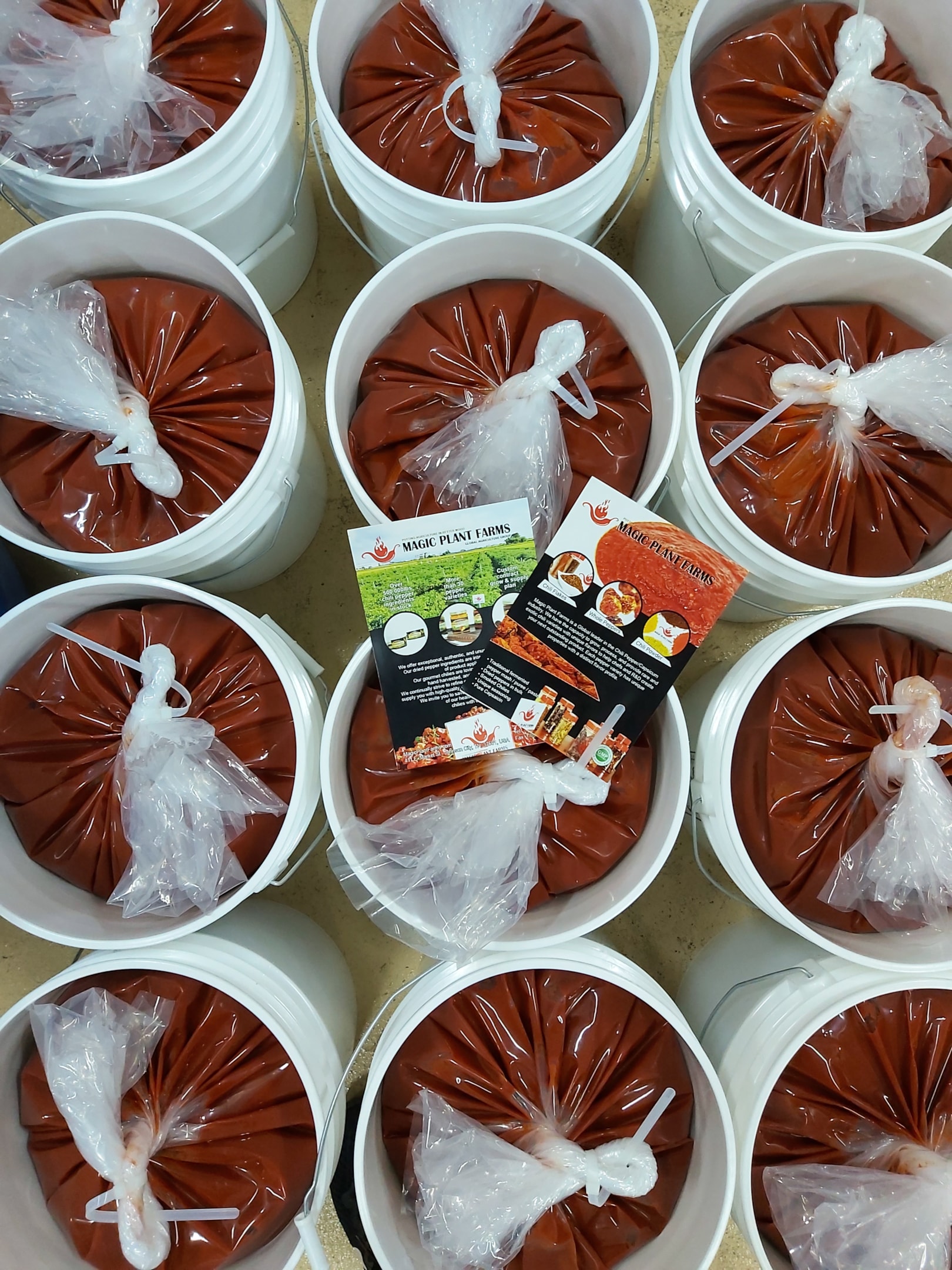
Pepper mash is essentially crushed chili peppers combined with salt, then allowed to ferment. During that period of rest and transformation, naturally occurring lactic acid bacteria create new compounds that shape the mash into something darker, deeper, and more complex. You may already be familiar with famous products that begin this way, including Tabasco sauce, which relies heavily on long-aged pepper mash stored in wooden barrels.
During the full fermentation process, the peppers break down gradually. The skins soften, the seeds mellow out, and the natural sugars convert through the work of beneficial microbes. The result is a mash with intensity but not harshness. It’s bold but rounded, with layers that touch both the front and back of the palate. It carries a rich savoriness from the good bacteria responsible for fermentation.
This is part of why fermented mash has become popular in restaurants, packaged foods, home kitchens, and even artisanal wing sauces. For anyone who identifies as a heat lover, there is no easier way to bring genuine depth into a recipe than by relying on a well-aged mash.
👉Also Read: Habanero Powder Applications Beyond Hot Sauce: Unexpected Culinary Uses
Why Fermented Pepper Mash Creates Unmatched Flavor
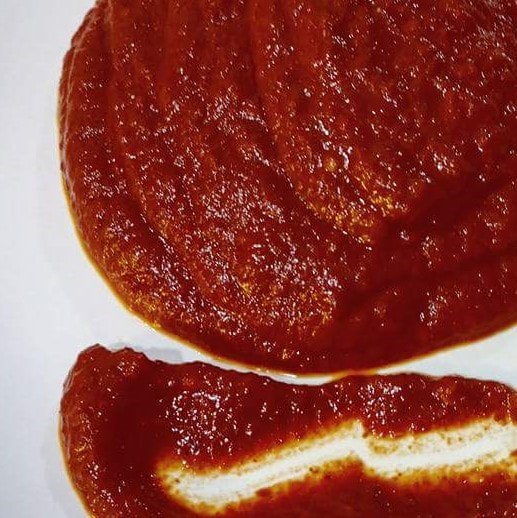
The magic behind the mash lies in how the natural fermentation process works. A good mash involves nothing more than peppers and salt, yet the layers that develop come from biological activity that transforms simple ingredients into something almost entirely new. As the mash ferments, the lactobacillus bacteria help create acidity that preserves the mixture without chemicals or anti-caking agents.
This gentle acidity is why fermented mash feels more rounded than vinegar-forward sauces. It does not sting. Instead, the heat blooms gradually, offering a more elegant cooking experience. That unique quality is what helps the mash stand out from blends that rely strictly on fresh ingredients.
The fermentation also brings out tertiary flavors that would never develop in a quick, raw blend. Smokiness, fruitiness, umami, and dark floral notes quietly emerge through a long fermentation period, giving your sauce a deeper profile. A great mash has body and aroma even before you add vinegar or other ingredients.
Mash also creates a stable base. The naturally acidic environment reduces the risk of bad bacteria developing. When properly managed, it has a long shelf life, which is ideal for both home batches and commercial production.
Choosing the Right Mash for Your Signature Sauce
Magic Plant Farms offers a wide variety of mash types, each with its own intensity, character, and culinary direction. Choosing the right one sets the foundation for the entire recipe. Here are four popular options that appeal to different creative visions:
Carolina Reaper Mash
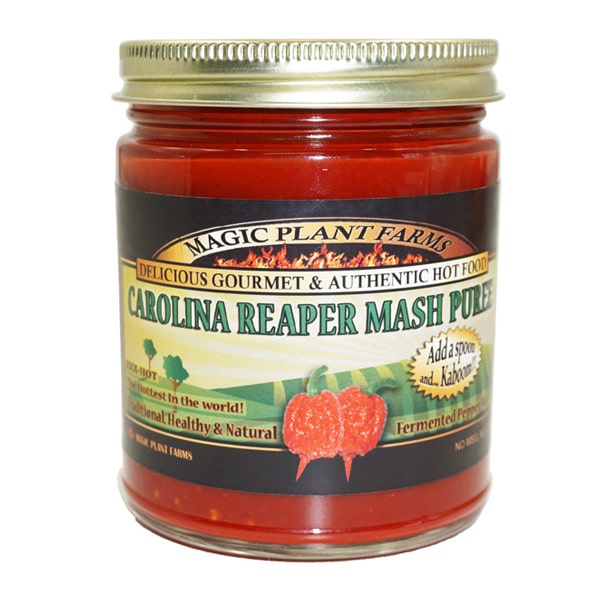
This is the choice when you want strong personality. Carolina Reaper mash brings scorching heat, bold aromatics, and a sharp fruity character that stands out beautifully in thicker sauces. For producers who want something memorable and assertive, this mash is a powerful tool.
Ghost Pepper Mash
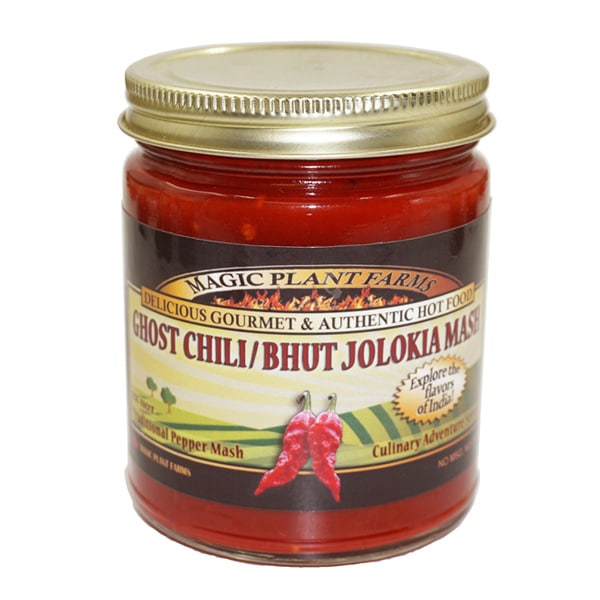
If you want a steady build of hot pepper heat that creeps in rather than exploding right away, Ghost Pepper mash is ideal. It brings brightness, complexity, and a signature lingering warmth that dedicated Ghost Peppers fans know very well.
Habanero Mash
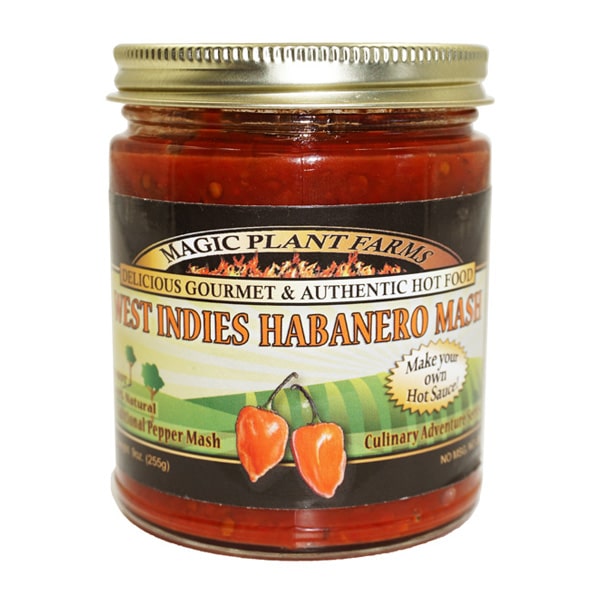
For citrus-driven sauces or blends with tropical notes, Habanero mash offers dynamic flavor. It has a vibrant fruitiness that works beautifully with mango, carrots, pineapple, or honey. When someone asks for the perfect balance between heat and aromatics, Habanero is usually the answer.
Chipotle Puree or Mash
Chipotle puree/mash has a smoky, earthy depth that is excellent in cooking sauces, braising liquids, and stir fries. It offers a natural richness that grounds your blend and works particularly well when you want a “fire-kissed” character without overpowering burn.
Many producers blend several mash types to achieve a personal flavor profile. There are no strict rules here, only your imagination.
Essential Ingredients for Building Your Sauce
Your mash is the core, but a memorable sauce requires other components that support, lift, or balance its flavor.
- Acids: Acids such as white vinegar, lemon, or lime help round out the heat. They brighten the mash and add stability.
- Aromatics: Ingredients like garlic, onion, or herbs introduce foundational layers that work well with most pepper varieties.
- Fruits and Vegetables: Using sweet fruits or softer vegetables can help soften the edges of the heat. Mango, sweet peppers, or fresh peppers bring brightness or body.
- Other Flavors: A pinch of brown sugar, a drizzle of honey, or a spoon of roasted tomatoes can add depth. These other flavors help balance a sauce that feels overly sharp.
- Spices: Adding spices such as cumin, coriander, or mustard seed gives your sauce complexity. These small touches elevate a blend from good to exceptional.
Always remember to taste frequently, adjusting acidity, heat, and sweetness gradually. A perfect sauce comes from thoughtful layering.
👉Also Read: African Bird’s Eye Chili: The Small Pepper Making a Big Impact in Global Cuisine
Step by Step: How to Work With Pepper Mash
Here is a simple but effective process that both home cooks and small producers can rely on.
Step 1: Start With High Quality Mash
Begin by sourcing from a reputable supplier like Magic Plant Farms. Look for mash that has been tested for quality and consistency. Ensure there’s enough liquid to allow it to mix smoothly with your other components.
Step 2: Prep Your Workspace
You will need gloves for handling mash. Even a small amount can irritate skin. Set out a glass jar or wide-mouth mason jar if you plan to continue fermenting at home.
Step 3: Blend Your Base
Use a food processor or blender to combine the mash with aromatics and your chosen acids. This is where your personal creative decisions start shaping the final product. Start with a gentle blend to avoid over-processing, which can reduce or alter texture.
Step 4: Add Complementary Ingredients
Fold in your fruits, spices, sugars, or other additions. This is a fantastic time to add deeper elements such as herbs or cooked vegetables.
Step 5: Adjust and Balance
Use your tongue as your compass. Heat should never overwhelm the sauce. Sweetness, saltiness, and acidity must work together. You may choose less salt if your mash already contains a high level from its initial preservation.
Step 6: Test Your Acidity
A ph meter helps ensure your final sauce meets safety requirements. Aim for appropriate acidity to prevent microbial growth.
Step 7: Bottle and Store
Use sterilized hot sauce bottles or a clean mason jar. Make sure there are no air pockets when spooning the mixture in. Seal the container with a tight lid.
Let the sauce sit for several days. The ingredients will marry, mellow, and deepen beautifully.
Avoiding Common Fermentation Issues
While fermentation is largely safe and straightforward, there are a few things to watch for.
- Mold Growth and Kahm Yeast: If you notice mold growth, dispose of the mash. If you see Kahm yeast, a thin whitish film, it is usually harmless, but it can affect aroma or taste if ignored too long.
- Direct Sunlight: Keep your mash out of direct sunlight because heat and light can disrupt the fermentation.
- Prevent Oxygen Exposure: Use a plastic bag as a weight to keep the mash submerged. Oxygen exposure encourages harmful organisms.
By following these precautions, you help the mash mature properly over the weeks or months of aging.
👉Also Read: Dried Carolina Reaper: How to Harness the World’s Hottest Pepper for Maximum Flavor and Heat
Customizing Your Signature Sauce
Here are some creative pathways for adding character to your blend.
- Experiment With Acids: Switch up your choices by using citrus, fruit vinegar, or even mild rice vinegar.
- Add Vegetables: Ingredients like roasted tomatoes, cooked onions, or even pumpkin can thicken and enrich the body of the sauce.
- Mix In Fruit: Try pineapple, mango, or peach to create tropical-inspired sauces with fruity brightness.
- Explore Sweetness: Molasses, agave, or honey give roundness and soften sharp edges.
- Try Herbal or Spiced Notes: Cilantro, oregano, smoked paprika, mustard seed, or coriander all introduce unique personality.
- Adjust the Heat Level: To moderate intensity, blend in milder peppers like Scotch bonnets, jalapenos, or poblanos.
- Cook With Other Ingredients: Your sauce can blend beautifully into soups, marinades, rubs, or even simple chili beans.
The goal is never to mask your mash. It’s to give the mash a space to shine.
Storing Your Sauce Safely
Safe storage begins with keeping the sauce inside a container such as a clean jar or bottle. Check acidity, and ensure a cold environment for longevity. If your sauce contains ingredients like dairy or fruit purees, refrigeration is vital. Avoid contamination by always using a clean spoon. Never dip used utensils into the sauce.
👉Also Read: What to Do with Ghost Peppers: Creative Ways to Use This Superhot Chili in Every Form
Magic Plant Farms Is the Best Source for Premium Mash
Magic Plant Farms has one of the most diverse selections of mash varieties on the market. Our products undergo strict cleaning, inspection, and sorting processes. This ensures consistency in flavor, taste, quality, and texture. We offer global supply chain stability, which is essential for small producers trying to maintain reliable production schedules.
We also offer mash in different forms, strengths, and heat levels. Whether you want the smoky richness of Chipotle, the sharp bite of Habanero, the slow burn of Ghost Pepper mash, or the intense fruitiness of Habanero peppers, we make sourcing simple and reliable. Our mash arrives ready to use, with consistent quality control that makes production faster and more predictable.
To place your orders, call us at 1-877-801-9733 or contact us online.
Frequently Asked Questions
Does the type of salt used in fermentation change the flavor of the final hot sauce?
Absolutely. The mineral composition of salt affects both the fermentation process and the final pickling salt flavor profile. Sea salt contributes subtle oceanic minerality, Himalayan salt adds trace elements that can round out acidity, and kosher salt provides clean salinity that highlights pepper aromatics. Avoid iodized salt because iodine can disrupt beneficial bacteria, which may stall fermentation or create off flavors.
Can different fermentation vessels influence the aroma and character of the pepper mash?
Yes. Glass jars maintain the purest pepper expression, while ceramic crocks allow micro-oxygen exchange that can deepen umami notes. Food-grade plastic is more neutral but may trap residual aromas from previous batches. Even lid types matter. Airlock lids encourage a cleaner lactic ferment, while loosely sealed metal lids can introduce faint metallic tones if the mash is highly acidic.
How long should fermented pepper mash age before it develops complexity comparable to commercial sauces?
Making pepper mash is an art. Most homemade mash tastes balanced after two to four weeks, but aging it for several months leads to a dramatically richer flavor. As the mash continues to ferment, esters form, acidity mellows, and natural sugars develop into nuanced, fruity top notes. Some professional fermented foods experts age mash for one to three years to create the layered depth associated with premium small-batch hot sauces.
What role does the ratio of pepper mash to vinegar play in shaping a signature sauce?
The ratio determines viscosity, acidity, aroma release, and shelf stability. A higher mash-to-vinegar ratio yields a thicker, more pepper-forward sauce, ideal for enthusiasts who want bold flavor with restrained sharpness. More vinegar creates a brighter, tangier profile with longer shelf life. Many signature sauces balance the two by introducing aromatic acids such as rice vinegar, apple cider vinegar, or lightly smoked vinegar.
Why do some makers add fruits, vegetables, or spices only after fermentation rather than during it?
Certain ingredients ferment unpredictably and can overshadow the pepper seeds’ character. Adding aromatics after fermentation provides complete control over flavor balance, texture, and color. For example, mango or pineapple added post-ferment preserves their natural brightness, while roasted garlic introduced later yields cleaner savory notes. This technique is one reason many craft hot sauce producers maintain exceptional consistency across batches.