
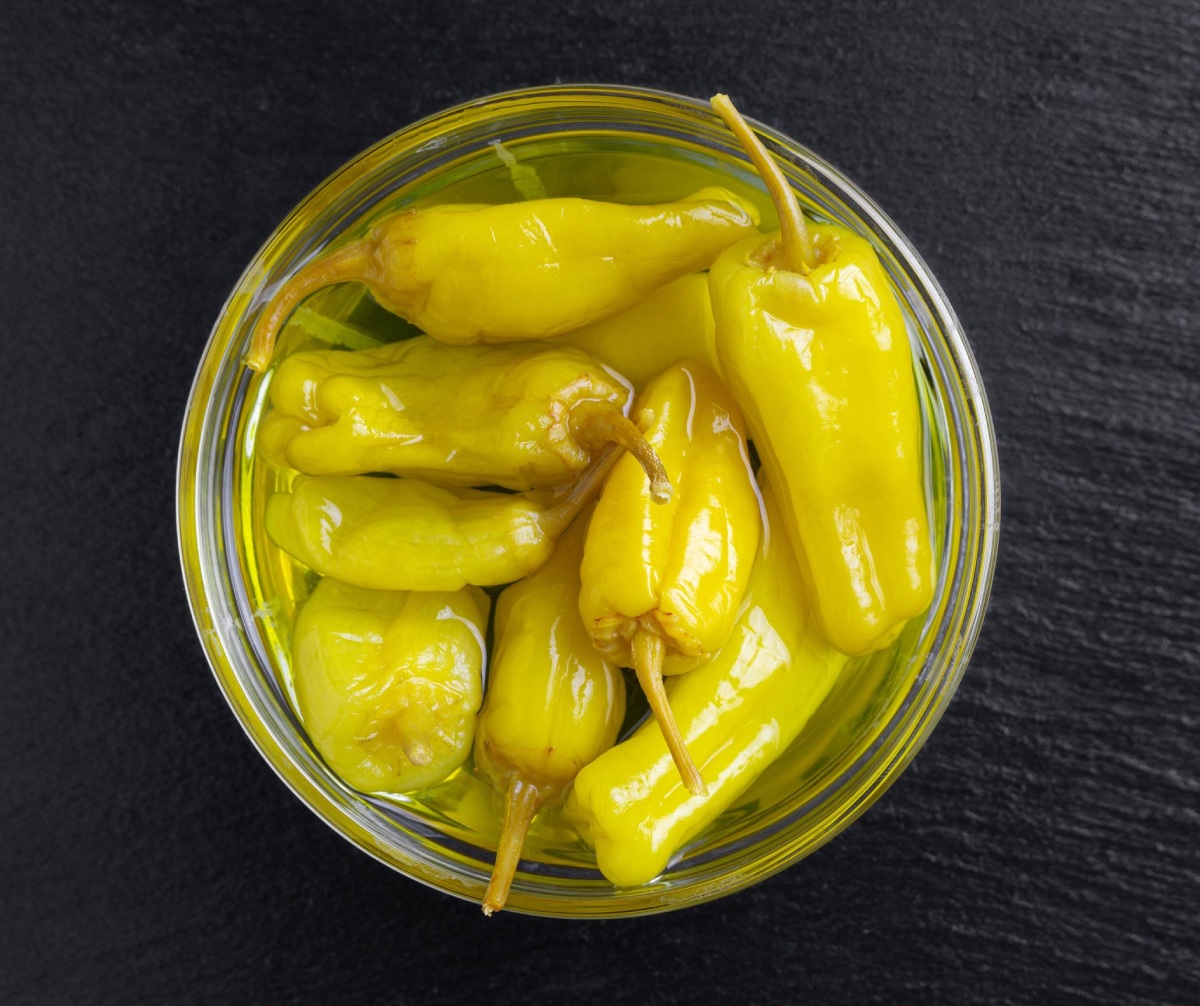
If you’ve ever finished a jar of Pepperoncini Peppers, you have probably poured the leftover liquid down the drain without thinking twice. That liquid, known as Pepperoncini Brine, is one of the most underappreciated flavor tools in the kitchen.
At its core, pepperoncini prine is a tangy, slightly spicy mixture built from vinegar, salt, and infused peppers. It carries a bright, zesty character that can instantly lift the flavor of everything from salads to roasted vegetables. In a time when reducing waste matters more than ever, learning how to reuse this ingredient is both practical and rewarding.
This guide from Magic Plant Farms takes you deep into the most creative, chef-level ways to use Pepperoncini Brine, helping you unlock new dimensions of flavor while making the most of every jar.
👉Also Read: Why Are Aleppo Pepper Flakes the Go-To Choice for Mild, Flavor-Forward Heat?
What Is Pepperoncini Brine and Why Is It So Flavorful?
To understand why pepperoncini brine works so well, you have to look at how it is made. When Pepperoncini Peppers are preserved through the pickling process, they are submerged in a liquid made from vinegar, water, salt, garlic, and carefully selected spices like coriander seeds and bay leaves. Over time, the peppers release their natural oils, sugars, and mild heat into the liquid.
The result is a balanced solution that carries acidity, salinity, and subtle sweetness. Unlike harsher brines, pepperoncini sits on the lower end of the pepperoncini Scoville Scale, typically measured in modest pepperoncini Scoville Units. This makes it approachable, with a gentle kick rather than overwhelming heat.
The brine becomes even more interesting when you consider the diversity of peppers used globally. From golden Greek peppers to Tuscan peppers, and from sweet Italian peppers to slightly hotter varieties, each version brings its own personality. Compared to banana peppers or even pickled banana peppers, pepperoncini brine has a more rounded and complex profile.
This balance is why acidic brines are so powerful in cooking. They cut through richness, enhance natural ingredients, and help bind flavors together.
How Can Pepperoncini Brine Transform Marinades?
Marinades are one of the most effective ways to use pepperoncini brine. The acidity in the brine helps tenderize proteins like chicken, pork, or steak. It breaks down fibers gently, allowing the flavor to penetrate deeply. At the same time, the mild heat from the pepperoncini adds a subtle kick.
A simple marinade can be built by combining pepperoncini brine, olive oil, minced garlic, oregano, and a touch of lemon. Let the mixture simmer lightly or whisk it together before adding your protein. For a quick recipe, try this approach:
- Base: 1 cup pepperoncini brine
- Fat: ½ cup olive oil
- Aromatics: crushed garlic, herbs, and a pinch of red pepper flakes
- Optional: a small amount of sugar to balance acidity
Let the meat sit for a few hours in the refrigerator or fridge, then cook it in a hot pan or oven. This method works equally well for plant-based options and even grilled vegetables.
👉Also Read: Unlocking the Power of Dry Green Jalapeño Flakes: A Game-Changer for Food Production
Can Pepperoncini Brine Make Better Salad Dressings?
Absolutely. Turning pepperoncini brine into a dressing is one of the easiest upgrades you can make. The base formula is simple:
- Acid: pepperoncini brine
- Fat: olive oil
- Binder: mustard
- Sweetness: honey or a touch of sugar
- Extras: herbs, garlic, or spices
Whisk until emulsified, and you have a bright vinaigrette that works beautifully with salads. This dressing pairs particularly well with:
- Mediterranean-style bowls inspired by Italy and Greece
- Pasta salads with olives and cheese
- Grain bowls with roasted vegetables
- Fresh cucumber and tomato combinations
The tangy flavor of the brine enhances every ingredient without overpowering it.
How Can You Reuse Pepperoncini Brine for Quick Pickling?
One of the most practical uses of pepperoncini brine is making refrigerator pickles. Instead of starting from scratch, you can reuse the existing brine to pickle new vegetables. Simply slice your ingredients using a sharp knife, place them into canning jars or mason jars, and pour the brine over them. Great options for pickled Pepperoncini Peppers include:
- Red onions
- Cucumbers
- Carrots
- Radishes
- Cauliflower
Make sure the vegetables are fully submerged. Seal the lid, place the jars in the refrigerator, and let them sit for a few days. If you want to extend shelf life, you can use a water bath method, heating jars in a large pot with boiling water. This helps create a more shelf-stable product.
Always check for air bubbles and carefully remove them before sealing. This approach is perfect when you have a bumper crop of produce or simply want to experiment with pickles at home.
Is Pepperoncini Brine a Secret Ingredient for Sandwiches?
Yes, and this is where it really shines. A splash of pepperoncini brine can transform sandwiches from something ordinary into something layered and memorable. It brings acidity, a hint of spicy character, and a clean finish that balances rich fillings.
You can use it in multiple ways depending on the style of sandwich you are building. Drizzle it lightly over sliced meats to wake up their flavor, mix it into spreads for added brightness, or brush it directly onto bread so every bite carries that tangy edge.
It works particularly well in:
- Italian-style subs: The brine complements cured meats, cheese, and olives, tying together bold ingredients commonly found in Italian sandwiches. It also enhances the flavor of pickled Pepperoncini Peppers layered inside.
- Burgers and wraps: A small splash cuts through fatty elements and adds contrast, especially when paired with grilled onions or melted cheese. It brings balance without overpowering the main ingredients.
- Deli sandwiches: Deli sandwiches with roast beef, turkey, or pork benefit from the acidity. The brine keeps each bite from feeling heavy and adds a subtle lift to the overall profile.
You can also fold pepperoncini brine into tuna salad, egg salad, or chicken salad. It replaces part of the usual acid component while adding complexity. The mild heat from chili peppers enhances the overall flavor, while the acidity keeps everything fresh and vibrant.
Can Pepperoncini Brine Enhance Sauces and Dips?
This is where creative cooking really comes into play. Adding pepperoncini brine to sauces introduces balance in a way that feels natural and refined. Rich sauces, especially those built on dairy or oil, benefit from a small amount of acidity that keeps them from feeling too dense. Instead of adding more vinegar or lemon, the brine gives you acidity along with layered flavor from the peppers, garlic, and spices already infused into it.
Try incorporating it into:
- Creamy dips like aioli or yogurt-based sauces: A spoonful of pepperoncini brine adds brightness and a subtle spicy edge, making dips feel lighter and more dynamic.
- Hummus or bean spreads: The brine cuts through the richness of legumes and adds depth, especially when paired with roasted garlic or olive oil.
- Pasta sauces that need brightness: Whether it is a tomato-based sauce or a cream sauce, a small splash can sharpen the overall flavor and bring everything into balance.
You can also experiment with blending it into dressings, marinades, or even pan sauces after cooking meats. Even a spoonful can transform a recipe, creating something more layered, more delicious, and more interesting on the palate.
How Can Pepperoncini Brine Elevate Roasted Vegetables?
Roasting naturally brings out the sweet side of vegetables, but adding pepperoncini brine introduces contrast that takes the dish to another level. Before roasting, toss your vegetables in olive oil, a splash of brine, and a pinch of salt. As they cook, the acidity interacts with the natural sugars, helping create a balanced caramelization that feels both rich and fresh. Great choices include:
- Potatoes: The exterior crisps up while the inside stays soft, with the brine adding a subtle tang.
- Zucchini: Absorbs the brine quickly, giving each bite more depth.
- Carrots: Their natural sweetness pairs beautifully with the acidity.
- Bell peppers: Enhance the pepper-forward profile while adding brightness.
- Brussels sprouts: The slight bitterness is balanced by the tangy brine, creating a more rounded dish.
You can also finish roasted vegetables with a light drizzle of pepperoncini brine just before serving. This adds a final layer of freshness and keeps the dish from feeling too heavy. The result is a combination of sweet, savory, and lightly spicy notes that feel complete and satisfying.
Can Pepperoncini Brine Be Used in Savory Drinks or Cocktails?
This may sound unconventional, but it works surprisingly well. A small amount of pepperoncini brine can add depth and complexity to savory drinks, especially those that already rely on acidity and spice. In tomato-based drinks, the brine enhances the base while adding a gentle heat from the pepperoncini. It blends seamlessly with herbs and spices, creating a more layered profile. You can also experiment with lighter options:
- Add a splash to sparkling water for a crisp, tangy refreshment
- Mix with citrus juice, fresh herbs, and ice for a bright, savory beverage
- Combine with blended peppers or vegetable juices for a more robust drink
This approach is gaining attention among chefs who enjoy pushing boundaries and rethinking how traditional ingredients are used. The key is moderation. A small amount goes a long way, delivering a clean, tangy finish without overwhelming the drink.
Tips for Storing and Reusing Pepperoncini Brine Safely
Proper storage is key when reusing pepperoncini brine.
- Refrigeration: Always keep jars in the refrigerator or fridge
- Shelf Life: Brine can last several weeks if stored properly
- Clean Handling: Use clean utensils when removing liquid
- Visual Check: Discard if you notice cloudiness or off smells
If you’re planning to reuse it for canning, make sure to follow safe practices, including proper heating in a small pot or a large pot.
👉Also Read: Which Format Should You Use: Green Jalapeño Powder, Granules, or Flakes? (With 12 Recipes to Prove It)
Bring Bold Pepper Flavor to Your Kitchen with Magic Plant Farms
At Magic Plant Farms, we believe that great cooking starts with great ingredients. Our Pepperoncini Peppers are grown, harvested, and prepared with care, ensuring that every jar delivers exceptional flavor from the first bite to the final drop of brine.
We supply premium hot peppers in brine wholesale, making it easy for both home cooks and commercial kitchens to access high-quality products. Whether you are working with pickled pepperoncini, experimenting with fermented pepper puree, or exploring new recipes, our ingredients are designed to inspire.
Our peppers are selected at peak ripeness, with that signature wrinkled skin that signals quality. From Italian styles to globally inspired varieties, we help you bring authentic flavor into your kitchen.
When you choose Magic Plant Farms, you are choosing consistency, reliability, and ingredients that elevate every dish. Explore our range, stock your jars, and start creating recipes that turn simple meals into something memorable. To place your bulk orders, contact us online.
Frequently Asked Questions
Can I reuse pepperoncini brine more than once?
Yes, but only once for the best quality and food safety. Reused brine loses acidity and antimicrobial strength, so it should not be reused repeatedly or for long-term preservation.
How do I know if my pepperoncini brine has gone bad?
Discard the brine if you notice:
- Cloudiness or sediment not previously present
- Off or sulfur-like odors
- Mold growth or surface film
- Bubbling unrelated to fermentation
- Slimy texture
When in doubt, discard it.
Can I freeze pepperoncini brine for later use?
Yes. Freezing preserves flavor and acidity well. Store in airtight containers and leave headspace for expansion. Flavor remains stable for several months.
What’s the difference between refrigerator storage and shelf-stable canning methods?
- Refrigerator storage: Quick pickling, lower processing requirements, must stay cold, shorter shelf life.
- Shelf-stable canning: Heat-processed and acid-balanced for room-temperature storage, significantly longer shelf life, but requires strict food safety procedures.
I’ve never cooked with pepperoncini before. Where should I start?
Begin with simple uses:
- Salad dressings
- Sandwich toppings
- Chicken marinades
- Pasta salads
Use small amounts first to understand flavor intensity.