
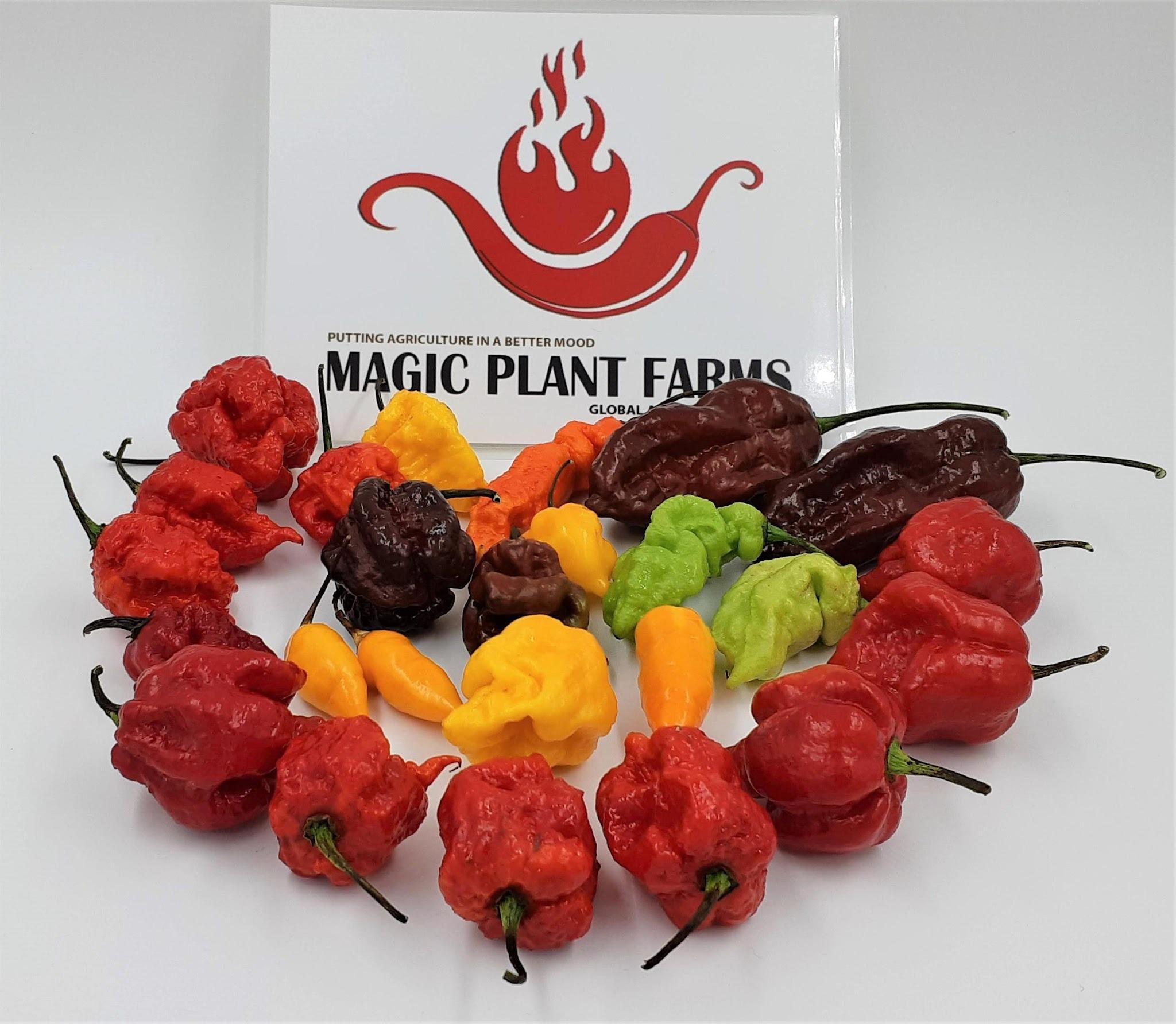
Dried chili peppers are a global pantry staple, relied upon in kitchens and manufacturing facilities on every continent. Whether you are building a smoky mole, a fiery Piri Piri sauce, or a snack seasoning blend, the quality of your dried peppers determines the quality of the final dish.
Dried chilis can last over a year when properly stored, but improper handling quickly dulls flavor, aroma, color, and perceived heat, even when the chilies are still technically safe to eat. The difference between food safety and culinary value matters here: a dried chili rarely becomes dangerous if kept dry, but it can become nearly flavorless within months in bad conditions.
Premium varieties are an investment, and preserving their peak performance saves money and protects recipe consistency. To store dried chili effectively, you must control air, moisture, light, and temperature.
👉Also Read: Why Is Bulk Jalapeño Powder & Flakes the Go-To Spice for Restaurants and Processors?
What Makes Dried Chilis Lose Their Quality Over Time?
Dried chili peppers are stable but not immortal. Their volatile flavor compounds, aromatic oils, and capsaicinoids slowly break down through several chemical and environmental pathways.
Oxidation: Exposure to air breaks down oils and pigments in dried chili peppers, leading to faded color and weaker heat over time. This is one of the main reasons color and aroma fade faster once a bag or jar has been opened repeatedly.
Moisture: Too much humidity causes clumping, leathery texture changes, and mold growth on dried chilis. Moisture can encourage mold growth in stored dried chilis even when they appear dry on the outside.
Heat: Heat accelerates flavor loss in dried peppers. The chemical breakdown of capsaicin and aromatic compounds speeds up noticeably at elevated temperatures, which is why a cool storage spot matters as much as an airtight seal.
Light: Keep dried chilies away from light to prevent degradation. Light exposure breaks down dried peppers’ flavor compounds, bleaching reds to dull browns and muting aroma. Direct sunlight is especially destructive.
Natural aging: Even under good conditions, most dried chilies slowly lose intensity over time, which is why rotation and dating matter for every spice collection.
How to Identify Aging or Spoiled Dried Chilis
Before you cook with any dried chili, inspect it. A quick check saves you from disappointing meals.
Color: Faded or washed-out red, orange, or deep brown tones, compared to a fresh batch, signal that pigments have broken down. Vibrant color on a recently purchased bag should be your benchmark.
Aroma: Crush a small piece between your fingers and check the aroma. If the smell is faint or flat rather than robust and aromatic, volatile oils have dissipated.
Texture: Pods or crushed pepper flakes that are excessively brittle and powdery, or conversely leathery with slight stickiness, indicate moisture problems or over-aging.
Spoilage signs: Visible mold spots, unusual clumping, or any musty, rancid, or sour smell means you should discard those dried chilies immediately. Discard dried chilis if they show signs of mold or insect damage; no exceptions.
Safety note: Slightly faded chilis are usually fine to consume but less potent. Truly spoiled ones should never be cooked or served.
👉Also Read: What Makes Carolina Reaper Essential for Crafting Bold Hot Sauces This Season
Whole Dried Chilis vs. Ground Chili Powder: Key Storage Differences
How you store dried chilies depends heavily on whether they are whole pods, flakes, or fine powder.
Whole dried chili peppers, like Guajillo, Ancho, or African Bird’s Eye, have a longer shelf life because their skin acts as a natural barrier, protecting the interior from oxygen and light. Whole dried chili peppers retain flavor longer than crushed or ground ones and, under ideal cool, dark, airtight conditions, can remain in excellent condition for up to about four years before quality noticeably declines. Store whole dried chilis instead of grinding them ahead of time whenever possible.
Chili flakes sit between pods and powder in terms of shelf life, generally holding peak flavor for about one to two years in good conditions. They benefit especially from light protection and an airtight container.
Ground chili powders (ground Ancho, Cayenne, Carolina Reaper powder) have far more surface area exposed to air, so they lose aroma and heat fastest, typically within six months to a year in a cabinet. Keep ground peppers in smaller airtight jars filled close to the top, and only grind larger batches on demand to preserve maximum flavor.
What Are the Best Containers to Store Dried Chili Peppers?
Container choice directly affects how well you control exposure to air, light, and moisture.
| Container Type | Pros | Cons |
| Glass mason jar with sealed lid | Non-reactive, reusable, easy to inspect contents | Clear glass must be kept in a dark cabinet |
| Opaque ceramic or tinted glass | Blocks light, attractive for counter storage | Heavier, can be more expensive |
| Vacuum-sealed bags / Mylar bags | Excellent oxygen and moisture barrier | Requires equipment; single-use for some bags |
| Food-grade stainless steel tins | Light-blocking, durable | Cannot see contents without opening |
Store dried chilies in an airtight container. This is the single most impactful step you can take, since airtight seals prevent the oxygen exposure that quietly degrades flavor over time. Avoid thin, porous plastic bags and loosely closed zip bags, which allow air and ambient moisture to slowly seep in and reduce shelf life. Always label containers clearly with chili type, heat level, and packing or purchase date for easier rotation.
What Are the Ideal Storage Conditions for Maximum Freshness and Shelf Life?
The principle is simple: cool, dark, dry, airtight. Store dried chilies in a cool, dark place, and you protect nearly every quality metric that matters.
Temperature: Temperatures around 60 to 70°F (15 to 21°C) help preserve chili flavor. Cooler is generally better, so aim for a stable interior pantry or cupboard away from ovens and windows.
Humidity: Keep dried chili peppers in low-humidity environments. Avoid storing near dishwashers, kettles, or steamy stovetops that raise moisture levels.
Location: Pantries, interior kitchen cabinets, or dedicated spice drawers are typically better than open shelves over the stove or next to a sunny window.
Refrigeration: Refrigerated storage can help retain color and flavor for finely ground chili powders, but containers must be very airtight to prevent condensation.
Freezing: Dried chilis can be frozen for long-term storage. Freezing in vacuum-sealed bags is a good choice for bulk quantities, provided peppers are completely dehydrated before sealing.
What Common Storage Mistakes Reduce the Shelf Life of Dried Chili Peppers?
Most flavor loss comes from a few common, easily avoidable habits.
Leaving chilis in original packaging: Thin plastic or paper bags, loosely folded or clipped, let air and light to penetrate. Transfer to proper containers immediately.
Storing near heat sources: Keeping a dried chili jar on top of the stove, on windowsills, or near appliances that throw off warmth accelerates degradation.
Mixing batches: Combining an older batch of dried peppers with a new purchase makes it impossible to track freshness and can spread hidden moisture issues.
Pre-grinding too much: Grinding large amounts of whole dried chilis far in advance leads to faster flavor loss compared to grinding only what you need each week.
Ignoring moisture checks: Even slight dampness in one pod can cause mold to spread across an entire bag, so inspect before storing.
Steam exposure: Storing above sinks or dishwashers, where steam and occasional splashes occur, slowly damages aroma and texture.
What Are the Best Storage Guidelines for High-Heat Chili Varieties?
Extreme-heat dried peppers require extra care to maintain their intense SHUs and complex flavor profiles. Their volatile oils carry nuanced top notes, fruity, smoky, floral, that fade faster when storage is careless.
Piri Piri (African Bird’s Eye): Store in small airtight jars or vacuum-sealed bags to preserve its bright, sharp heat and fruity edge. This matters especially for peppers destined for commercial Piri Piri sauces.
Habanero: Keep dried Habanero peppers in tightly sealed, light-blocking containers to maintain their tropical-fruit aroma and consistent perceived heat in salsas and hot sauces.
Ghost Pepper (Bhut Jolokia) and Carolina Reaper: Store powders and flakes in very small, well-sealed jars or vacuum-sealed pouches. Their volatile, capsaicin-rich oils make any quality loss more noticeable, so don’t wait to reseal them after opening.
Batch separation: Manufacturers and serious hot sauce makers should store high-heat dried chilies in separated, clearly labeled batches to maintain consistent SHUs and blending accuracy.
Safe handling: Store these chilis where children cannot reach them, and wash hands thoroughly after handling to avoid irritation.
What Are the Best Practices for Long-Term Shelf Stability?
With the right methods, you can keep dried peppers vibrant for a long time, particularly valuable for bulk purchases or annual harvests.
- Portion into smaller containers: Split bulk purchases into smaller airtight bags or jars, and open only one at a time to minimize repeated air exposure.
- Vacuum seal for extended preservation: Vacuum sealing combined with dark, cool storage is one of the most reliable ways to extend shelf life for bulk stock.
- Use oxygen absorbers: Add food-safe oxygen absorber packets inside Mylar or glass containers, particularly useful in commercial or long-term contexts.
- Label everything: Include harvest or packaging date and chili variety so a first-in, first-out rotation system is easy to follow.
- Periodic inspection: Every few months, check color, aroma, and any signs of moisture. Catching problems early can protect an entire batch from spoilage.
What Are the Industrial and Commercial Storage Considerations?
Food businesses, sauce producers, and spice blend manufacturers rely on consistent dried chili quality at scale.
Bulk solutions: Food-grade drums, lined fiber barrels, or large sealed pails kept in cool, dry warehouses with climate control.
Monitoring: Install temperature and humidity monitoring systems so conditions stay within a defined, consistently cool and dry range.
HACCP alignment: Align handling and storage with HACCP principles, including pest control, clean handling surfaces, and clear traceability for each batch.
Consistent sourcing: Testing each incoming lot for SHUs and flavor profile helps ensure standardized output across production runs.
Export packaging: For long overseas shipments, vacuum-sealed, moisture-barrier packaging is essential to protect product integrity from farm to facility.
How Proper Storage Preserves Culinary Performance
Storage is not a background detail; it is part of recipe success. Well-stored dried chili peppers deliver fuller flavor in sauces, stews, moles, marinades, and rubs because their natural oils remain intact. When you bite into a properly cooked enchilada made with well-preserved Ancho chilis, the difference is unmistakable compared to one made from a faded, stale bag.
Consistent heat levels from properly stored dried chilies make recipe development and scaling more reliable for restaurants and food manufacturers. Vivid color in dried chilies also enhances the visual appeal of spice blends, chili oils, and infused products, something that matters deeply for consumer perception. A Carolina Reaper hot sauce made from old, poorly stored stock will taste noticeably flatter than one made from peppers stored with care.
What Are the Practical Uses That Depend on Well Stored Dried Chilis?
An enormous range of everyday and specialty foods depends on potent dried chilies:
Home cooking: Homemade hot sauces, chili oils, dry rubs for grilling, curry powders, enchiladas, birria, and Piri Piri chicken all demand chilis with punch.
Advanced applications: Fermented pepper mash, infused vinegars, and compound butters rely on stable flavor and aroma from quality spices.
Industrial food production: Snack coatings, ready-made spice blends, instant noodle flavor packets, and bottled sauces all require predictable chili performance batch after batch.
When you store dried peppers correctly, you can confidently experiment with rare varieties and complex blends without worrying about rapid flavor loss. Every bag or jar you open should deliver what it promised on the day you sealed it.
👉Also Read: Buy Bulk Ghost Pepper Powder: Essential Tips for Hot Sauce Manufacturers
Are You Ready to Improve Your Dried Chili Storage for Maximum Freshness?
The core principles are straightforward: minimize exposure to air, moisture, light, and heat to extend the shelf life of dried chilies. Whole dried chili peppers kept in airtight containers in a cool, dark place retain flavor and heat far longer than ground chili powders. Dried chili peppers can be stored for a very long time if kept dry, though peak flavor is best enjoyed within the first few years.
Proper storage protects both your investment in premium dried peppers and the consistency of your favorite meals. Evaluate your current setup today. Upgrading a container or relocating a jar to a better shelf can add years of peak performance.
Looking for consistent, lab-verified dried peppers you can build a supply plan around? Explore Magic Plant Farms’ full lineup of whole pods, flakes, powders, and mash, or contact our team to set up a custom supply plan for your business.
Spice up your mind with Magic Plant Farms, your source for exotic, unique, and rare chili peppers.
Frequently Asked Questions
How long do dried chili peppers really last?
Whole dried chili peppers can last up to about four years when stored in ideal conditions: cool, dark, dry, and airtight. Chili flakes typically hold peak quality for one to two years, and ground chili powders have the shortest window, generally six months to a year. Past these windows, chilis gradually lose aroma and heat even if no mold or visible spoilage appears. They remain safe to consume but become less useful in cooking.
Is it better to freeze or refrigerate dried chilies?
Freezing dried chilies in airtight or vacuum-sealed packaging is the better option for very long-term storage or bulk quantities. Refrigeration can help powdered chilies hold their color and aroma but requires truly airtight containers to prevent condensation and absorption of off-odors from other food in the fridge.
Do I need to store all dried chilies in an airtight container?
For maximum shelf life and flavor, yes. An airtight container is strongly recommended to protect against oxygen and humidity. Loosely closed bags or jars with poor seals allow gradual flavor loss and can shorten the useful life of dried chilis by many months. Even a simple glass jar with a tight lid is vastly better than a folded-over bag.
Should I toast dried chilies before or after storing them?
Toast dried chilies just before using them in a recipe. Toasting releases aromatic oils and can shorten their remaining shelf life if they’re stored afterward. If you do pre-toast, let the chilis cool completely before placing them back into storage to avoid trapping steam and moisture in the container.