
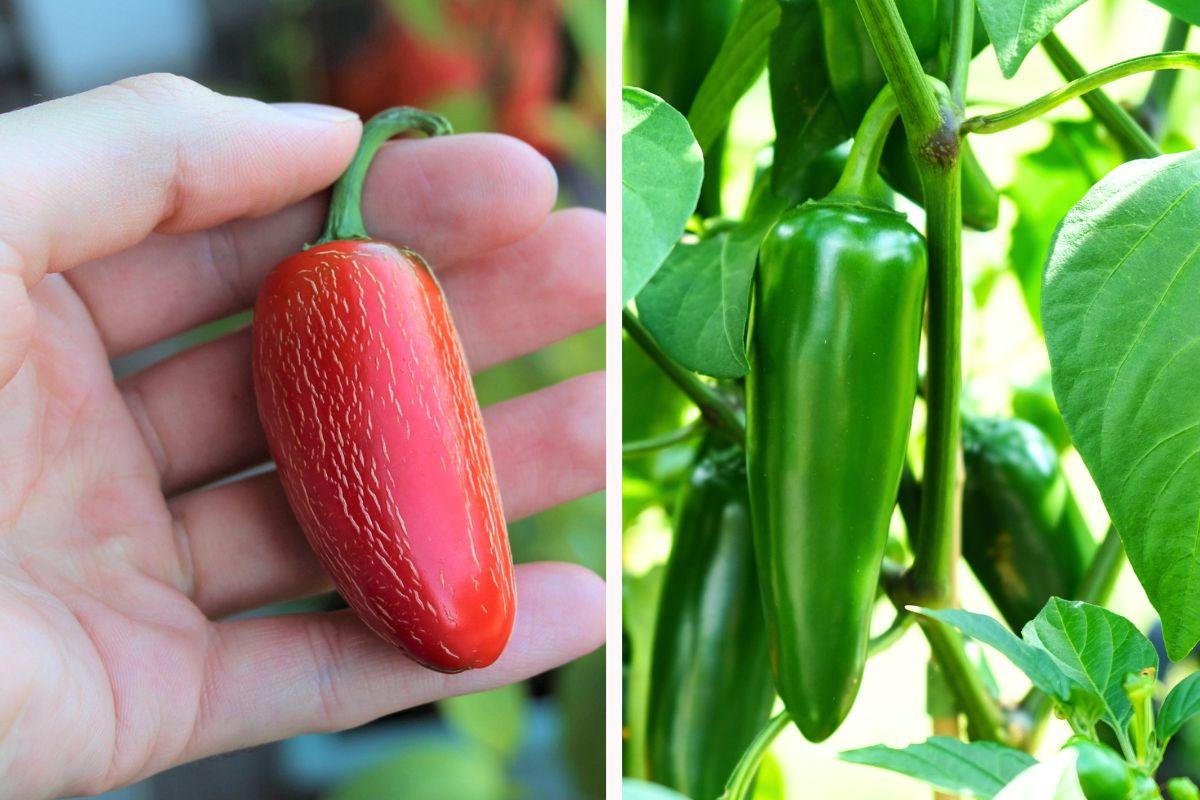
At first glance, choosing between Red Jalapeños and Green Jalapeños might feel like a minor detail. After all, they come from the same pepper plant, share a similar shape, and sit side by side on store shelves. But for bulk buyers, food manufacturers, and product developers, this choice has real consequences. It influences flavor, heat, processing behavior, and even long-term supply planning.
Knowing the difference between Red and Green Jalapeños isn’t about preference alone. It’s about making a strategic sourcing decision that aligns with your product goals. Whether you’re producing hot sauces, seasoning blends, or ready-to-eat meals, the stage of the ripening process directly impacts consistency, cost, and performance.
👉Also Read: Why Is Bulk Jalapeño Powder & Flakes the Go-To Spice for Restaurants and Processors?
What Explains Two Distinct Personalities Within the Same Pepper Plant?
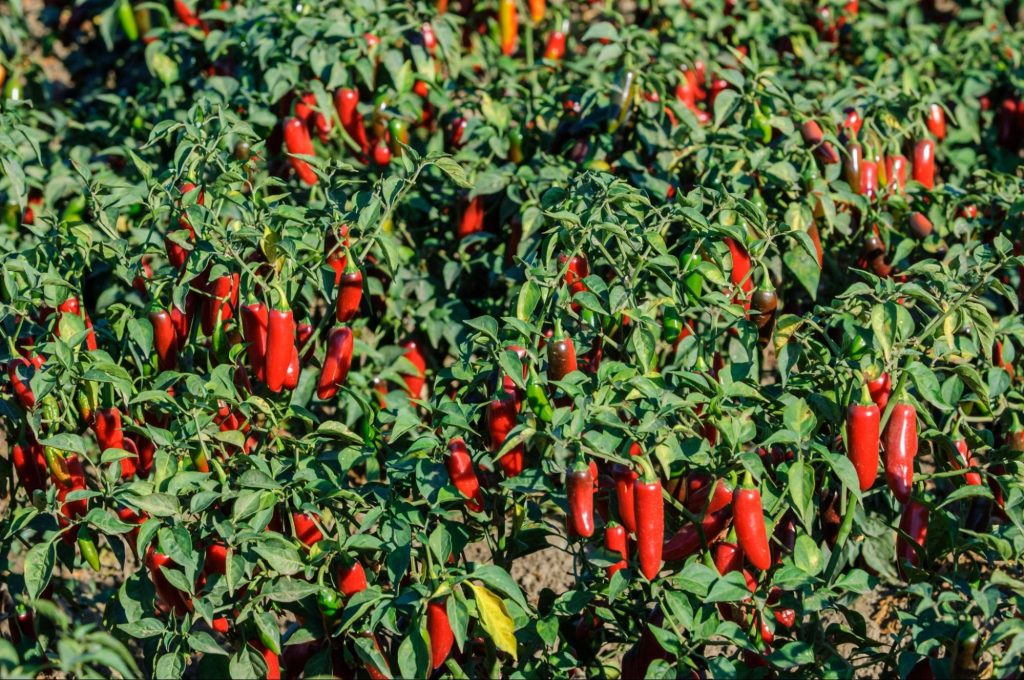
Every Jalapeño begins as green. It’s literally just a Green Jalapeño at the early stage of development. As it continues to mature on the pepper plant, it undergoes an aging process and begins to turn red. This transformation creates what we call two Jalapeño shades, or more broadly, Red and Green Jalapeños.
- Green Jalapeños: Picked early, before full maturity
- Red Jalapeños: Left to ripen fully, developing deeper color and complexity
So yes, they are the same Jalapeño Peppers, but they behave like two hot peppers in practical applications. This is where the big difference begins.
What Defines a Crisp vs Developed Complexity in Flavor Profiles?
Let’s slow this down and look at what really drives formulation decisions in professional kitchens and production environments. Flavor is not just about what you taste in the moment. It’s about how that taste behaves across processing, storage, and final consumption.
Green Jalapeños: Bright, Crisp, and Fresh
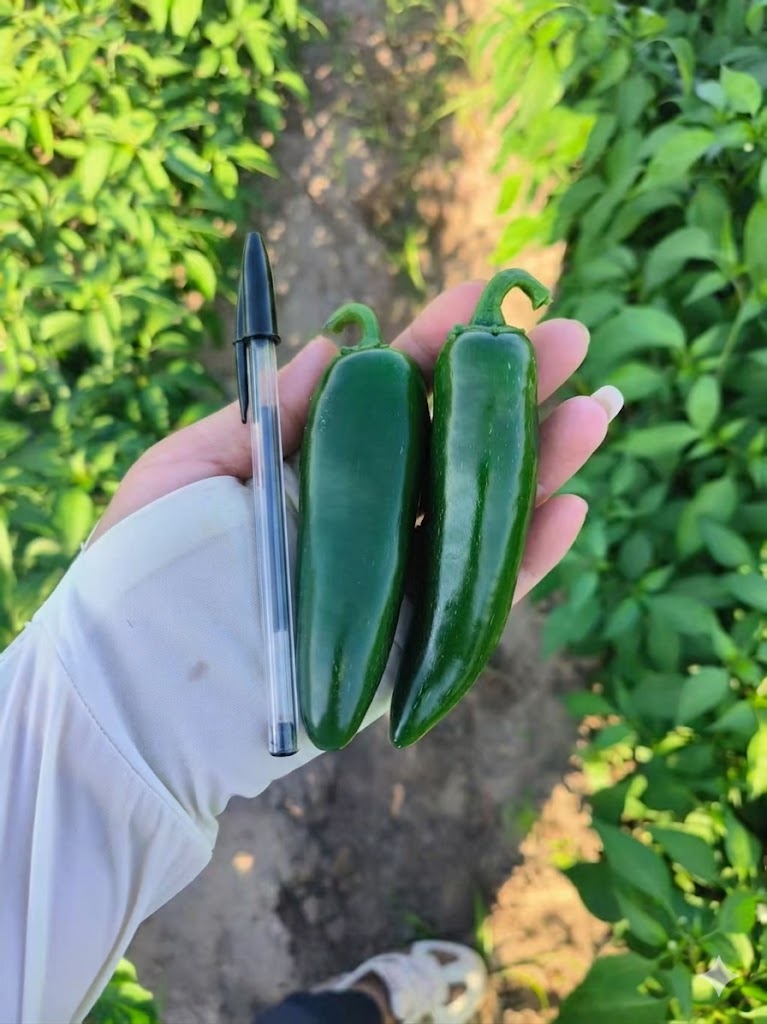
Green Jalapeños are defined by their immediacy. That fresh flavor hits quickly and feels alive on the palate. The Green Jalapeño flavor carries a slightly grassy, vegetal tone with a crisp taste that cuts cleanly through richer ingredients. In applications like citrus salsas, fresh dips, pickled jalapeños, and light sauces, that brightness acts almost like an acid component, lifting the entire dish.
There is also a subtle sharpness that some describe as slightly bitter. In formulation, that edge is valuable. It creates contrast. When paired with fats such as cheese, oils, or creamy bases, the pepper’s flavor prevents the product from feeling heavy or flat. For manufacturers, this makes Green Jalapeños especially effective in products designed for repeat consumption, where balance is more important than intensity.
Red Jalapeños: Sweet, Rounded, and Mature
Red Jalapeños develop a completely different personality as they move through additional ripening. The internal chemistry shifts, sugars become more pronounced, and the taste of the fresh red jalapeño peppers becomes fuller and more cohesive. Instead of sharpness, you get a smoother, more integrated profile.
That sweeter flavor does not mean sugary. It means rounded. The pepper feels complete, with fewer sharp edges and more depth. This is why red versions bring a deeper body and a longer finish that lingers without overwhelming. In fermented products, premium hot sauces, tropical hot sauces, and complex seasoning blends, this maturity translates into a more layered experience.
The slight taste difference between Green and Red Bell Peppers becomes amplified during processing. Heat, fermentation, and reduction all intensify underlying characteristics. What starts as a subtle distinction at the raw stage becomes a defining trait in the final Green or Red Jalapeño taste.
Heat and Capsaicin Content: What Bulk Buyers Should Expect
Heat is rarely just about intensity. It is about perception, consistency, and how that sensation interacts with other ingredients over time.
Both Green and Red Jalapeños fall within a similar typical range, but real-world application tells a more nuanced story. The observation that Red Jalapeños are spicier is rooted in the biology of the ripening process. As the pepper matures, capsaicin content continues to develop, especially when the fruit remains on the vine longer under optimal conditions.
Green Jalapeños deliver a balanced and approachable heat level. The heat arrives quickly and fades in a predictable way, which makes it easier to control in formulations where consistency is critical. This is one reason they are widely used in products that target a broad consumer base.
Red Jalapeños, on the other hand, introduce slightly higher heat with a little extra kick that builds more gradually. The sensation tends to linger, creating a more immersive experience. In bulk production, this difference becomes more noticeable because even small variations are magnified across large batches.
For brands competing in the space defined by the most famous hot sauces, this distinction is not trivial. It shapes how consumers perceive intensity, quality, and overall satisfaction. A controlled but assertive heat profile can become a defining feature of a product line.
Processing Behavior: Why Format Selection Changes Everything
When bulk buyers evaluate Jalapeños, they are selecting a functional ingredient that must perform consistently across multiple variables.
Green Jalapeños in Processed Formats
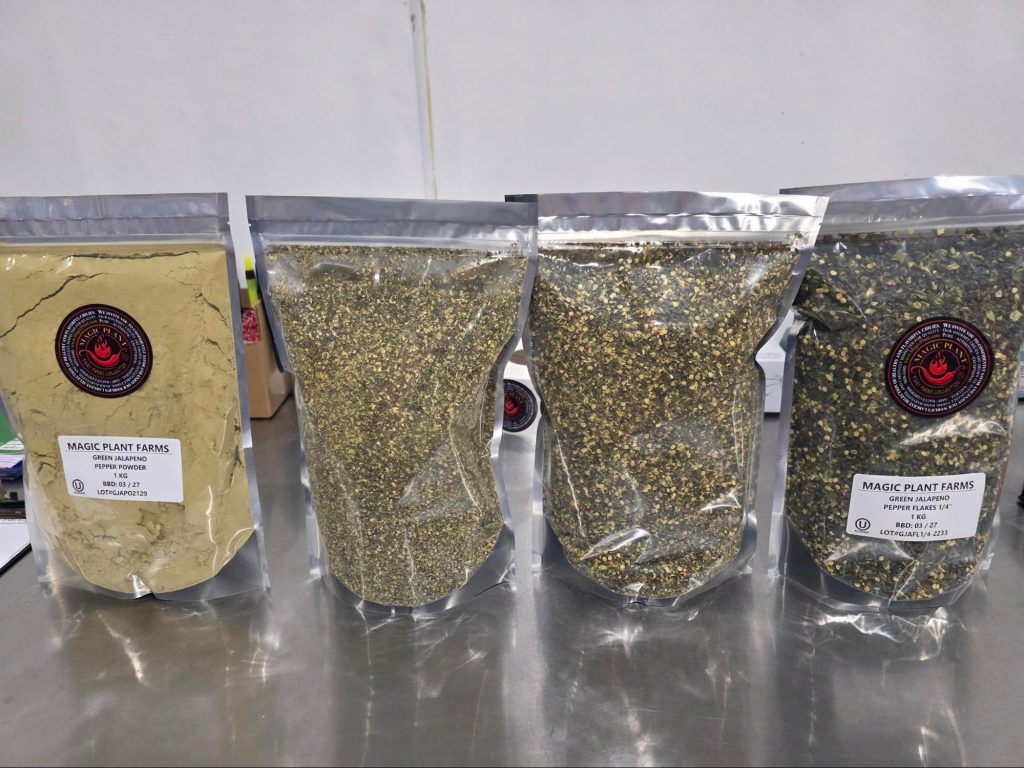
Green Jalapeños are highly adaptable in dried and processed forms. Products such as Green Jalapeno Pepper powder, Green Jalapeno pepper mash, Acidified Green Jalapeno Pepper puree, and Green Jalapeno pepper coarse powder retain the sharp, fresh character of the original fruit. This makes them particularly effective in applications where immediate flavor release is important.
Because they are picked early, they maintain a lighter color and a more vibrant aromatic profile. In snack coatings, seasoning systems, and quick-blend sauces, this translates into a clean, recognizable pepper identity. The particle size also plays a role. Fine powder integrates instantly, while coarse powder and flakes provide texture and visual interest without compromising dispersion.
Red Jalapeños in Processed Formats
Red Jalapeños behave differently once processed. Their natural maturity lends itself well to Red Jalapeno powder, Red Jalapeno Pepper puree, Acidified Red Jalapeno Chili Pepper mash, Acidified Red Jalapeno Chili Pepper puree, and fermented bases. The deeper pigment carries through into finished products, creating a visual cue that signals richness and intensity to consumers.
From a technical standpoint, Red Peppers offer better integration in slow-cooked or fermented systems. Their sugars and developed compounds interact more dynamically during processing, leading to more complex results. This is particularly valuable in premium sauces and gourmet spice blends, where differentiation depends on depth rather than brightness.
The idea that color creates perception is backed by consumer behavior. A deeper hue suggests a more robust experience, and that expectation influences how the product is received.
How Does Supply Chain Planning Extend Beyond the Harvest Season?
Supply stability is where many sourcing strategies succeed or fail.
Green Jalapeños
Because they are harvested earlier, green peppers are more readily available. They represent the most common chili pepper stage and are easier to source in consistent volumes.
This makes them ideal for:
- High-volume production
- Cost-sensitive formulations
- Everyday products
Red Jalapeños
Red Peppers require more time on the vine. That extended growth period introduces variables such as:
- Weather conditions
- Crop timing
- Yield fluctuations
As a result, Red Peppers can be less predictable in supply. However, their value in premium applications makes them worth the effort. For buyers managing so many Jalapeños across multiple product lines, balancing these two supply streams is critical.
What Should Be Considered in an Application-Based Buying Guide?
Whether you prefer Red Jalapeños or Green, it is important to make the appropriate choice based on your requirements. Let’s simplify the decision-making process.
Choose Green Jalapeños When You Need:
- Bright, fresh flavor
- Sharp, clean pepper’s flavor
- High-volume consistency
- Lower cost input
Ideal for:
- Pickled Jalapeños
- Salsas
- Seasonings
- Everyday food products
Choose Red Jalapeños When You Need:
- Deeper, more developed flavor
- Slightly higher heat
- Rich color impact
- Premium positioning
Ideal for:
- Hot sauces
- Fermented mash
- Specialty spice blends
- High-end retail products
Understanding Red Jalapeños vs Green Jalapeños in this way helps align sourcing decisions with product goals.
How Can Visual Impact Affect the Way Consumers Perceive a Product?
Color plays a powerful role in how products are perceived before they are even tasted. Consumers form expectations based on visual cues, and Jalapeños are a perfect example of this effect.
Green signals freshness, brightness, and a lighter eating experience. Products built around Green Jalapeños feel approachable and clean. This makes them ideal for everyday items and formulations designed for broad appeal.
Red communicates intensity, richness, and depth. Products featuring ripened Red Jalapeños are perceived as more robust and more indulgent. This aligns well with premium positioning and specialty offerings.
The rise of multi-hued product lines reflects a growing awareness of this dynamic. By incorporating different shades of Jalapeños, brands can create visual contrast and highlight variety within their portfolio.
In a competitive market, these subtle cues can influence purchasing decisions just as much as flavor itself.
How Do Specialty Applications Create a Culinary Advantage?
Every ingredient earns its place by solving a specific problem or enhancing a particular experience. Jalapeños are no exception.
Green Jalapeños excel in applications where freshness and contrast are essential. Their bright profile makes them ideal for dishes that rely on clarity and balance. They shine in preparations where the goal is to enhance without overpowering.
Red Jalapeños bring strength in depth and complexity. Their developed character allows them to anchor recipes that require a more layered flavor system. They perform exceptionally well in slow-cooked, fermented, or heavily seasoned products where subtlety would be lost.
When working with a common chili pepper like Jalapeño, differentiation comes from acknowledging these strengths and applying them intentionally. The real advantage lies not in the ingredient itself, but in how precisely it’s used.
Why Is Smarter Sourcing Important for Long-Term Supply Stability?
At the end of the day, choosing between Red and Green jalapeños isn’t about which is better. It’s about which is right for your application. They come from the same pepper plant, but their journey through the ripening process creates meaningful differences in flavor, heat, yield, and supply dynamics.
For bulk buyers, this knowledge translates into:
- Better product consistency
- Smarter cost management
- Stronger brand positioning
Once you understand how these peppers behave, you’ll stop guessing and start sourcing with intent.
👉Also Read: Which Format Should You Use: Green Jalapeño Powder, Granules, or Flakes? (With 12 Recipes to Prove It)
Bring Precision and Reliability to Your Supply Chain with Magic Plant Farms
When you’re sourcing Jalapeños at scale, consistency is everything. That is exactly where we come in.
At Magic Plant Farms, we take control of the entire process from seed selection to final product delivery. Our approach ensures that whether you need Green Jalapeño formats for bright, fresh applications or Red Jalapeño products for deeper, more developed flavor systems, you receive dependable quality every time.
We work with growers across multiple regions, allowing us to maintain supply stability even when market conditions shift. This global cultivation strategy gives our customers confidence that their production schedules won’t be disrupted. It also allows us to offer flexibility in sourcing both green and red varieties based on your exact specifications.
Our product range includes powders, flakes, mash, puree, and peppers in brine. Each batch is carefully processed, sorted, and inspected in the United States to ensure consistency in color, heat, and overall performance. We also support custom sizing, from fine powder to larger flake formats, so you can match ingredient functionality to your exact application.
We are an SQF, GMP, and HACCP certified company with third-party annual audits. That means your supply chain meets strict food safety and quality standards. Beyond that, we offer structured supply planning programs designed to help you forecast demand, stabilize costs, and maintain uninterrupted production.
If you’re ready to move beyond uncertainty and build a more reliable ingredient strategy, we’re here to help. Reach out to our team to discuss your Jalapeño sourcing needs, explore custom options, and create a supply plan that supports your long-term growth. To place your bulk orders, call us at 1-877-801-9733 or contact us online.
Frequently Asked Questions
What is the difference in shelf stability between Red and Green Jalapeños?
Red Jalapeños are inherently more shelf-stable than green, even when dried and powdered. Understanding why helps you plan storage, packaging, and product shelf-life claims.
What processing formats are available for bulk Jalapeño orders?
Jalapeños come in diverse processing formats, each optimized for different applications, shelf life requirements, and manufacturing processes. Understanding the options helps you match ingredients to product needs.
Can I use Jalapeño powder instead of fresh Jalapeños in my product formulation?
Yes, Jalapeño powder can replace fresh Jalapeños in many applications, but success depends on understanding flavor intensity differences, processing behavior, and hydration requirements.